Decoding BMC Helix Pricing in 2026: Cost vs Virima Value

Verdict: Choose BMC Helix when you want one mega-vendor for ITSM, AIOps, and enterprise workflows and you can fund multi-year transformation. Choose Virima when you already run a service desk and need discovery, CMDB, ITAM, and service maps with published tiers, weeks-scale deployment, and native ITSM sync instead of separate Discovery and CMDB licenses plus iPaaS add-ons. Third-party benchmarks put Helix ITSM near $180–$320 per agent monthly and signed contracts from about $280K to $18M+ annually; Virima is built as the context layer on the tools you keep.
Modern enterprise IT leaders still face rising platform costs, quote-only Helix pricing, and module bundling that can erase expected ROI. Procurement teams buying discovery, CMDB, and mapping through BMC often navigate multi-product licensing. The decision is whether a broad suite replacement or a targeted discovery-sourced context layer delivers better long-term financial efficiency for your stack.
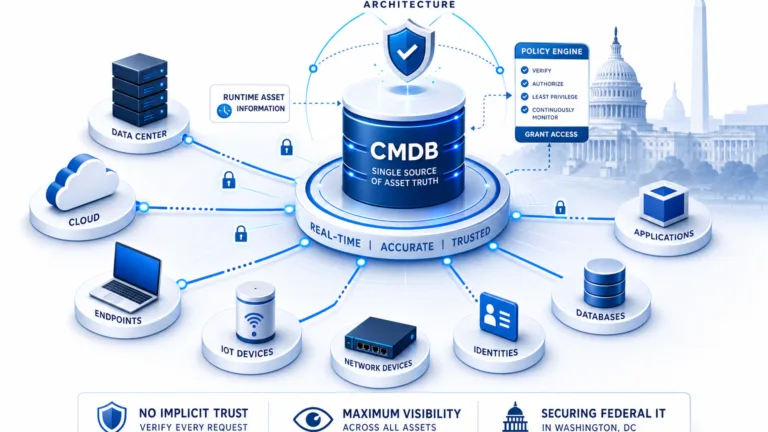
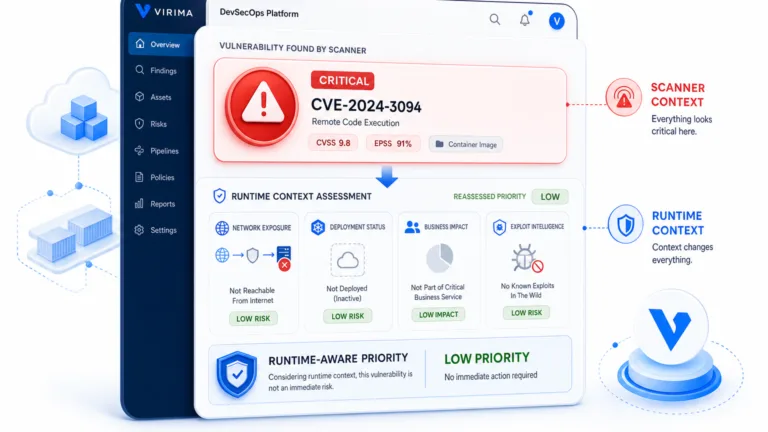
See how trusted runtime truth grounds discovery, CMDB, and change context →
The Reality of BMC Helix Pricing Structures in 2026
Evaluating the true BMC Helix cost requires looking beyond initial licensing quotes. BMC Helix operates on an enterprise quote-based pricing model rather than published transparent tiers. Third-party contract-benchmarking data puts BMC Helix ITSM’s named-agent list price at $180 to $320 per agent monthly depending on feature tier, and actual signed enterprise contracts range from roughly $280,000 annually for smaller mid-market deployments (200–500 agents). Up to $18 million or more at global-enterprise scale, even after the 25% to 45% discounts most enterprise buyers are able to negotiate off list.
A critical consideration for IT leadership is that BMC Helix Discovery does not include a native CMDB in its base licensing. BMC Helix Discovery operates as a standalone discovery engine that feeds a separately licensed BMC Helix CMDB repository. Enterprise deployments requiring automated IT discovery, dependency mapping, and configuration management must license multiple distinct products across the BMC portfolio.
This modular separation significantly inflates the overall BMC price for organizations seeking complete infrastructure visibility. Procurement teams must account for separate software subscription fees, database licensing overhead, and specialized administrative headcount for each module.
Furthermore, implementation and integration work for BMC Helix deployments is billed separately by BMC Professional Services at $225 to $350 per hour, on top of the base software contract. PeerSpot reviewers consistently rate setup costs as high, even among enterprise customers who found the licensing itself competitively priced.
| Cost dimension | BMC Helix | Virima |
|---|---|---|
| Licensing model | Quote-based enterprise pricing; multi-module portfolio | Published deployment tiers with discovery, CMDB, mapping, and ITAM bundled |
| Discovery + CMDB | Discovery and CMDB licensed as separate products | Unified discovery and CMDB in the platform tier |
| Named-agent / contract scale (third-party benchmarks) | About $180–$320 per agent monthly list; signed deals roughly $280K to $18M+ annually | Starting annual contract value on the public pricing page; no separate Discovery/CMDB module fees for core capabilities |
| Implementation economics | Professional Services often $225–$350/hr; migration/implementation fees of $150K–$800K reported on some moves | Weeks-scale discovery and mapping deployment for typical scopes; lighter professional-services burden |
| Non-BMC ITSM interoperability | Bi-directional Jira sync often needs Helix iPaaS (Jitterbit) or third-party connectors | Native bi-directional sync across major ITSM platforms without mandatory iPaaS for core CI flow |
| Time-to-value | Commonly six to twelve months to full operational utility | Operational discovery schedules and service maps in weeks for many deployments |
Compare BMC Helix TCO with Virima on your stack, request a demo
Is BMC Helix pricing public in 2026?
No. BMC Helix uses custom enterprise quotes by users, modules, and scale. Third-party benchmarks cite named-agent list ranges near $180–$320 monthly and signed contracts from about $280K to $18M+ annually. Buyers should model Discovery, CMDB, services, and iPaaS separately from the headline ITSM quote.
BMC Pricing Comparison: Mega-Vendor Suite vs. Targeted Context Layer
Architectural scope dictates software expense when conducting a thorough BMC pricing comparison. BMC Helix offers a broad enterprise platform covering AI-powered ITSM, AIOps, business workflows, and HR service management. This extensive scope appeals to large enterprises seeking a single mega-vendor replacement for legacy platforms. However, organizations that already maintain established ITSM tools like ServiceNow, Jira, Ivanti, or HaloITSM incur unnecessary costs by purchasing redundant ITSM suite capabilities.
Key differences when conducting a BMC pricing comparison include:
- Licensing Transparency: BMC Helix relies on opaque quote-based enterprise pricing, whereas Virima provides clear, published deployment tiers.
- Discovery & CMDB Architecture: BMC requires separate licensing for its CMDB repository, while Virima includes unified discovery and CMDB natively.
- ITSM Interoperability: BMC Helix prioritizes its own ecosystem, while Virima offers native bi-directional synchronization across seven major ITSM platforms.
- Time-to-Value: BMC Helix implementations average six to twelve months, whereas Virima delivers operational visibility in weeks.
Virima approaches operational context from a fundamentally different perspective. Rather than forcing a platform replacement, Virima acts as an authoritative discovery and service mapping layer that enriches your existing ITSM investment. Virima delivers deep IP-based discovery, ViVID™ service mapping, hardware and software ITAM, and unified CMDB governance natively within a single platform.
By eliminating the requirement to purchase redundant service desk licenses, Virima provides a significantly lower total cost of ownership. Organizations achieve complete visibility into assets, dependencies, and change risk without paying for unused enterprise suite functionality.
What the commercial conversation covers: agentless discovery schedules, hardware and software ITAM, CMDB governance, ViVID service maps once service definitions are supplied, and bi-directional CI flow into the ITSM tool you already run. You are not buying a second full ITSM suite.
Teams that keep their service desk and still need governed asset and dependency truth evaluate Virima the same way University College London did when vendor responsiveness and enterprise CMDB trust were on the table: UCL success story.
Uncovering Hidden Costs in Discovery and Service Mapping
Enterprise IT leaders frequently encounter unexpected cost escalations during the post-implementation phase of BMC Helix. Independent peer reviews on PeerSpot note that setup costs are generally seen as high, and reviewers report difficulty finding specialists with the expertise to configure and maintain the platform. BMC Helix Discovery relies on discovery patterns, including a specialized query language reviewers describe as challenging to master. Something that requires dedicated, hard-to-source engineering talent to maintain and tune over time.
Because BMC Helix forces separate licensing for discovery and CMDB capabilities, organizations face compounded administrative overhead. Each module requires dedicated maintenance effort, and specialized integrations between these separate products multiply operational complexity.
Maintaining custom integrations between discovery and third-party ITSM tools adds significant ongoing professional services expenses, with BMC Professional Services billing integration and migration work at $225 to $350 per hour.
Another hidden financial driver involves integration constraints with non-BMC service management platforms. BMC Helix’s bi-directional Jira Service Management sync isn’t included in the base ITSM license. It runs on BMC Helix iPaaS, powered by Jitterbit Harmony, a separate integration suite that BMC’s own documentation describes as built on Jitterbit’s Harmony and MuleSoft Anypoint platforms rather than shipped natively. Standing up the sync also means licensing that iPaaS layer, or turning to a third-party connector like OpsHub’s BMC–Jira integration, adding cost and an extra integration layer that Virima’s native multi-platform sync avoids.
Virima neutralizes these financial risks through native, out-of-the-box bi-directional integrations with seven major ITSM platforms, including ServiceNow, Jira Service Management, Ivanti, HaloITSM, Xurrent, Hornbill, and TeamDynamix (see the full ITSM integration list). Configuration data, service maps, and change impact details flow into your primary service desk without custom middleware.
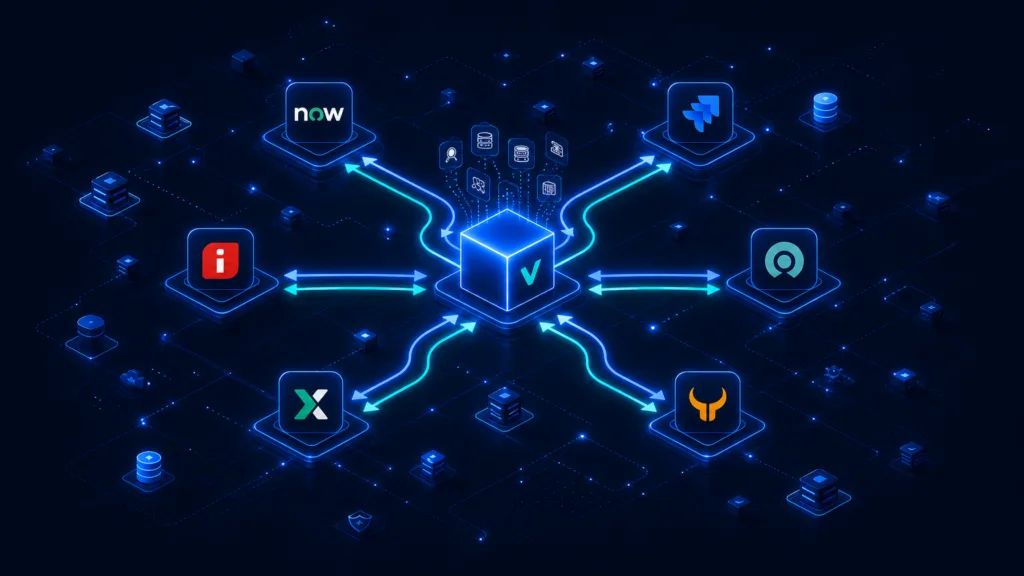
You can read more about why a two-way ITSM and CMDB integration is critical for controlling operational overhead. This native interoperability eliminates recurring integration engineering fees and ensures your operational teams work with authoritative ground truth.
See Virima discovery and CMDB TCO next to your Helix quote, schedule a demo
Does BMC Helix Discovery include a CMDB in base licensing?
No. BMC Helix Discovery is a standalone discovery engine that feeds a separately licensed BMC Helix CMDB. Full infrastructure visibility usually means multiple BMC products, plus database and admin overhead. Virima includes discovery, CMDB, ITAM, and service mapping in each tier without separate module fees for those cores.
Strategic Financial Advantages of Choosing Virima Over BMC Helix
Selecting Virima provides immediate capital efficiency and accelerated time-to-value for mid-market and enterprise IT organizations. BMC Helix deployments routinely require six to twelve months before achieving full operational utility. This extended timeline locks in prolonged consulting retainers and ties up IT staff on implementation work rather than strategic priorities. By contrast, Virima customers deploy discovery schedules and build service dependency maps in a matter of weeks.

Core operational advantages delivered by Virima include:
- Unified Asset Foundation: Combines agentless discovery, hardware and software ITAM, and CMDB governance in one license.
- Rapid Deployment Cycles: Enables automated IP-based discovery schedules and service maps within weeks instead of quarters.
- Ecosystem Flexibility: Preserves existing ITSM investments by enriching tools like ServiceNow and Jira rather than replacing them.
- Predictable Budgeting: Eliminates hidden module add-ons and mandatory professional services retainers.
How does Virima deliver lower total cost of ownership than BMC Helix?
While BMC Helix offers on-premises hosting, that path runs on a perpetual-license-plus-annual-maintenance model that BMC actively steers customers away from. Migration pressure toward SaaS is a documented negotiating lever, and enterprises moving off legacy on-prem setups have reported implementation and data-migration fees of $150K–$800K.
Conversely, Virima’s lighter-weight architecture avoids that licensing and infrastructure burden, and the platform supports SaaS, cloud-hosted, and on-premises deployment. Its on-premises option is handled case-by-case rather than as a fully standardized offering, so it’s worth confirming current terms directly. For security-conscious environments in healthcare, finance, or government, this flexibility can still support strict data sovereignty needs while preserving automated discovery capabilities.
To evaluate how Virima aligns with your infrastructure footprint, see Virima Business Pro for growing IT teams.
Navigating Platform Selection: When to Choose BMC vs. Virima
Making an informed platform choice requires aligning software capabilities with your organization’s long-term architecture strategy. BMC Helix represents a viable choice for massive enterprises seeking a single vendor to manage every aspect of ITSM, AIOps, and enterprise workflow automation. If your organization is prepared for a multi-year transformation project and substantial capital outlay, the legacy depth of BMC’s platform offers extensive coverage.
Conversely, Virima is the superior alternative for IT leaders who demand fast deployment, transparent pricing, and seamless integration with existing tools. If you already operate a service desk and need an authoritative discovery, ITAM, and service mapping foundation, Virima delivers maximum operational value without bloated licensing fees.
For feature-level detail, start with Virima vs BMC Helix. Keep the commercial path here: pricing clarity, module count, and whether you are replacing ITSM or enriching it.
Decision checklist
- If you need one vendor for ITSM + AIOps + HR/business workflows and accept multi-year transformation, shortlist BMC Helix.
- If ServiceNow, Jira Service Management, Ivanti, HaloITSM, or similar already owns tickets, shortlist Virima as the discovery and CMDB layer.
- If Discovery and CMDB must ship under one commercial roof without iPaaS for core sync, model Virima TCO against Helix module + services + integration stack.
- If you are deep in BMC already, treat Virima as a targeted visibility layer only where Helix discovery/CMDB economics or third-party ITSM sync remain the bottleneck, not as a casual rip-and-replace of the full Helix suite.
When is BMC Helix the better buy than Virima?
BMC Helix fits massive enterprises that want a single mega-vendor for ITSM, AIOps, and broad workflow automation and can fund multi-year programs. Virima fits teams that keep their service desk and need fast, transparent discovery, CMDB, ITAM, and mapping with native ITSM integration and lower suite redundancy.
Ultimately, Virima helps teams move faster and act safely with live, governed runtime truth, without the six-to-eighteen-month deployment timelines or the $150K–$800K implementation costs independent pricing reviews have documented on the BMC side.
Accelerate Your ROI
Stop paying for redundant mega-vendor modules when you only need discovery-sourced CMDB accuracy, dependency maps, and ITAM on the service desk you already trust.
Schedule your Virima demo today
Prefer a package path first? See Virima Business Pro for growing IT teams.
Frequently Asked Questions
How much does BMC Helix software cost?
BMC Helix uses quote-based enterprise licensing rather than a public price list. Third-party contract benchmarks put BMC Helix ITSM named-agent list pricing near $180 to $320 per agent monthly, with signed enterprise contracts ranging from roughly $280,000 annually for smaller mid-market deployments up to $18 million or more at global scale.
Which is better for discovery and CMDB cost control, BMC Helix or Virima?
BMC Helix suits large enterprises seeking a single mega-vendor to replace a full ITSM and AIOps stack. Virima is the stronger fit when you want a cost-effective discovery, CMDB, ITAM, and service mapping layer that integrates with existing ITSM tools such as ServiceNow or Jira Service Management.
Is BMC Helix pricing publicly available online?
No. BMC Helix uses custom quote-based enterprise pricing by user count, modules, and deployment scale. Virima publishes a starting annual contract value and bundles discovery, CMDB, ViVID service mapping, ITAM, and third-party ITSM integrations into every tier at no added licensing fee for those cores, which improves budget predictability versus module-by-module quotes.
Does BMC Helix Discovery include a CMDB in its base price?
BMC Helix Discovery feeds a separately licensed BMC Helix CMDB rather than including one natively. Virima combines agentless discovery, CMDB, ITAM, and service mapping in every tier, with no separate module fees for those core capabilities.
How does total cost of ownership compare between BMC Helix and Virima?
BMC Helix TCO often stacks licensing, multi-module Discovery/CMDB, professional services, and integration layers such as iPaaS for non-BMC desks. Virima lowers TCO for many buyers by enriching the ITSM platform you already own, avoiding a second full service-desk license stack while still delivering discovery-sourced configuration truth.