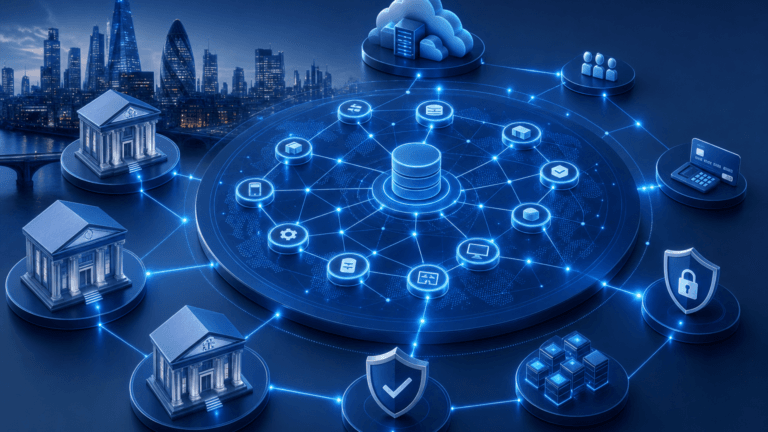
IT Documentation Software: Why Most Tools Stop at Capture and Never Reach Currency

When a critical service goes down, the incident responder’s first step is usually the same regardless of what broke: pull up the documentation for that service. If that documentation matches what’s actually running, the responders narrow the blast radius, identify dependencies, and route the incident efficiently. If it doesn’t match, the responders pull in whoever remembers how the system works, and that gap costs hours.
Outage investigations consistently trace the root cause to the same starting point: the documented dependencies for a service don’t match the actual infrastructure that supports it. Someone documented the system correctly at some point, and the documentation became inaccurate weeks or months later. Nobody caught it until the service failed and a customer was affected.
This is the core problem IT documentation software is supposed to solve. Instead, most tools in the category just formalize the mechanism that already failed. A person writes something down, and then it’s someone else’s job to remember to keep it current.
Why Manual Documentation Can’t Keep Pace With Hybrid Infrastructure
The market splits into two approaches to solving the documentation problem, and both stop short of actually solving it.
The first is wiki-and-runbook software: Confluence, Notion, IT Glue, Hudu. These tools excel at storing procedures, decision records, and institutional knowledge that doesn’t change on its own. A technician writes down how to perform a specific task, and that documentation stays useful as long as the process doesn’t change. The problem starts when you ask these tools to document system state and dependencies. A server gets decommissioned, or someone updates the page. Most of the time, nobody does, and the page sits there looking authoritative until an incident responder checks the dependency map and finds that the documented asset is offline and the relationship map is stale.
The second is CMDB software bolted onto existing ticket systems: ServiceNow, Atlassian, Jira Insight. These tools are more structured: configuration items instead of free-form pages, relationships instead of text, but the underlying mechanism is identical. Someone enters data when an asset is provisioned. The record sits there until the next audit or the next outage forces someone to reconcile records against reality. The CMDB becomes a read-only snapshot that diverges from actual infrastructure the moment anything changes.
Both approaches treat documentation as a writing task. Once written, accuracy depends on a person noticing something changed and going back to update it. In hybrid IT environments where assets, cloud instances, and dependencies change daily, this model fails predictably.
The visibility gap reflects this structural problem. According to Gartner’s 2026 research, 83% of enterprises cannot account for at least 20% of their IT assets. The Flexera 2026 State of ITAM Report found that only 36% of organizations have complete visibility across their IT assets, down from 43% in 2025 as AI, SaaS, and cloud environments have expanded faster than organizations can track them.
When an organization runs its first comprehensive asset discovery scan across on-premises data centers, AWS, and Azure, the results usually reflect this gap. Assets that spreadsheets and wiki pages never captured suddenly appear in the system. A cloud team spins up instances for a project, tears them down within a quarter, and forgets to update the wiki. A vendor patch changes a dependency without anyone filing a ticket. An acquisition brings in servers the core IT team has never inventoried. Employees with knowledge of legacy systems leave, and the documentation sits there inaccurate.
The most expensive discovery usually happens during an incident. An outage responder checks the dependency map for a critical service and finds that the documentation doesn’t match what’s actually connected. The documented blast radius is wrong. The documented dependencies are missing systems that actually support the service. Those hours spent figuring out what’s really connected cost the organization money and customer trust.
The problem isn’t negligence or poor planning, but structural. A person can stay current on one system or one team’s changes. They cannot stay current on how an entire hybrid environment evolves.
What IT Documentation Software Should Do
Effective IT documentation software answers three non-negotiable questions reliably. What assets exist in your environment right now and how are those assets connected? Is that record current enough to act on in an incident or approve a change?
A wiki-based tool can answer the first question once, then immediately starts drifting. A traditional CMDB bolted onto a ticket system can store the first two, but only if someone manually maintains it. Neither can deliver the third: currency. They can’t tell you whether the record matches reality right now.
Documentation sourced from continuous discovery can.
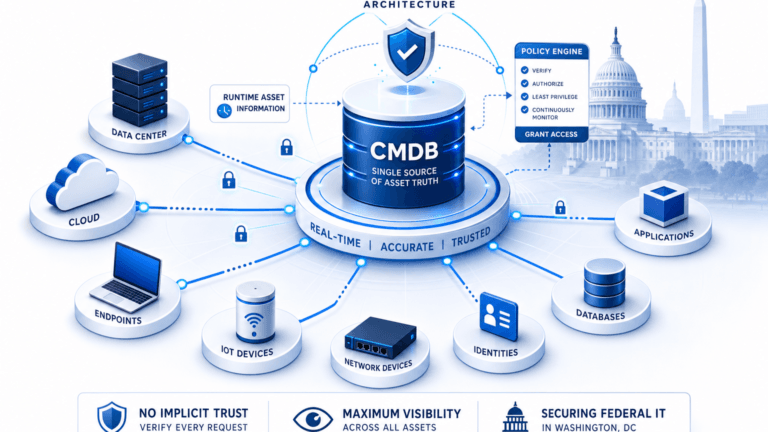
The mechanism is structural, and instead of asking technicians to type in asset data, discovery tools scan your infrastructure directly: agentless network scanning, cloud API integration, optional agents on endpoints. The discovery finds what exists and populates the CMDB. When a new server comes online, the next discovery cycle adds it automatically. When IT decommissions an old server, the next discovery run shows its absence instead of carrying a ghost record for months. The record stays current because it derives from what’s running, not from what someone remembered to maintain.
This is how discovery-sourced documentation solves the currency problem. It’s not a CMDB someone maintains, but a CMDB that maintains itself because it’s frequently fed by discovery.
From Discovery to Always-Current Documentation
Virima’s approach to discovery-sourced documentation starts with infrastructure visibility, not a data entry form. The platform performs agentless discovery across your network, integrates with cloud provider APIs (AWS, Azure, GCP), and optionally deploys agents on endpoints. It scans what exists and frequently populates the CMDB with discovered assets and their relationships.
When a new server comes online, discovery finds it during the next cycle and automatically creates the configuration item. When a cloud instance is torn down, the inventory reflects its absence instead of carrying a ghost record for months. Documentation becomes a continuous byproduct of infrastructure change, not a task someone owns or forgets to do.
The result is operational, and that first discovery run typically finds 30-50% more assets than existing records show, the gap between what a team thought existed and what’s actually running. The baseline is immediately more complete than any manual inventory could be. From that point forward, discovery keeps the inventory current without asking teams to remember to update it. Virima positions this regular, discovery-fed approach as Trusted Runtime Truth: documentation that reflects your actual environment, not a snapshot frozen at last year’s audit.
Why this matters operationally is because untracked or misrepresented assets can become attack surface. Verizon’s 2025 Data Breach Investigations Report found that 46% of compromised devices with corporate logins were non-managed systems but devices that had no entry in any inventory. CrowdStrike’s 2026 Global Threat Report found that 82% of 2025 detections involved no malware: attackers moved through environments using valid credentials and authorized tools, exploiting the visibility gaps where documentation didn’t exist.
Continuous discovery catches what manual approaches miss. Cloud workloads provisioned outside standard pipelines appear automatically. Temporary instances tagged for short-term projects don’t sit in the inventory as permanent records. Decommissioned resources still carrying IP addresses get flagged rather than silently persisting. A wiki captures none of this. A manually maintained CMDB falls further behind with every change. Discovery-sourced documentation finds it all.
To see how Trusted Runtime Truth changes operational practice in your environment, explore Virima’s approach to discovery-sourced documentation.
Turning Documentation Into Operational Intelligence
A CMDB full of accurate, current configuration items is still data in a database. To operationalize it and to use it to make decisions during incidents and changes, you need visualization. This is where ViVIDTM Service Mapping bridges the gap. It takes discovery-sourced CMDB relationships and renders them as visual dependency maps.
An incident responder sees immediately what a critical server actually supports. A change manager visualizes the blast radius before approving a change. A team sees dependencies at a glance instead of searching through wiki pages that may or may not be current, or digging into CMDB records that may be stale.
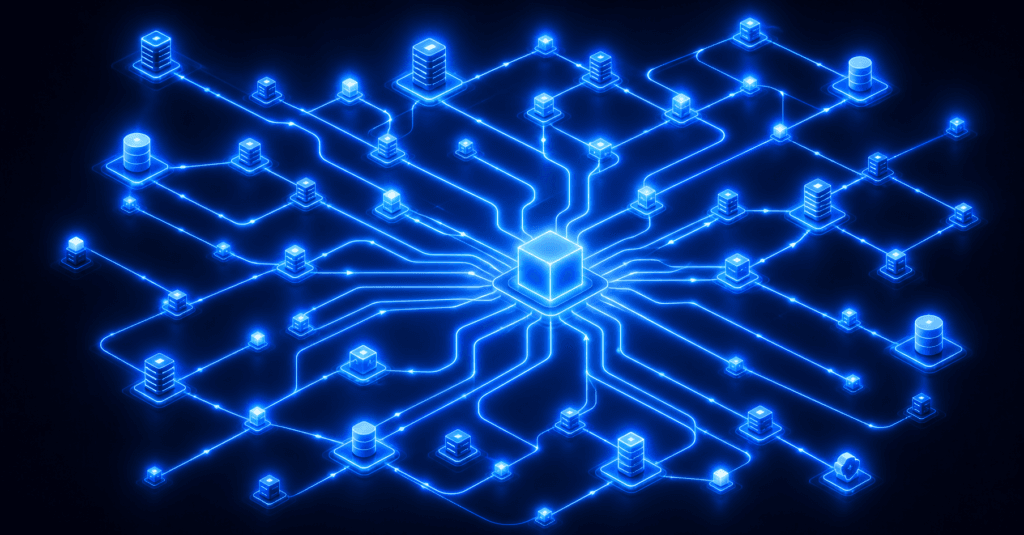
For change management, that visualization is the difference between guessing at impact and seeing actual dependencies before shipping. For incident response, it’s the difference between paging multiple teams to ask “who knows what depends on this” and finding a map that shows it in real time. Documentation that stays current automatically is documentation that actually gets used and trusted.
What Discovery-Sourced Documentation Changes Operationally
The difference between documentation that’s accurate and documentation that stays accurate shows up at three specific moments.
- During an incident: A responder retrieves the dependency map for a critical service instead of paging five teams. The map came from discovery that ran hours ago, not from a wiki page written six months ago. Decision time shrinks. Blast radius assessment is accurate.
- During change planning: A team sees exactly what sits downstream of the system they’re about to modify and assesses impact correctly before shipping. They don’t propose a change on incomplete information, then discover during implementation that a critical system depends on something they didn’t know about. Virima’s ViVIDTM Service Mapping shows the actual dependency graph continuously, not a diagram someone drew once.
- During an audit: The evidence is a timestamped, discovery-sourced record showing what was running on a specific date, not a spreadsheet someone updated the week the auditor arrived. Compliance teams have an audit-ready timeline of assets and configurations, automatically maintained.
One pattern from Virima’s discovery engagements: end-of-life hardware still running in production gets discovered weeks before budget cycles close, when decisions can still be made. In one case, discovery caught 23 Cisco switches past end-of-support four weeks before fiscal year close. Those switches existed whether discovery found them early or an outage forced the question later. The difference is timing. Discovery lets you find them when you can plan and budget, not when the incident happens, and you’re already compromised.
How to Evaluate IT Documentation Software (And Spot the Difference)
When evaluating tools, ask these three questions. The answers will immediately separate tools that solve the problem from tools that don’t.
- Does the tool populate itself regularly from discovery, or does a person need to enter and maintain records? This is the line. Tools that depend on manual entry become stale by structural design. Tools sourced from continuous discovery stay accurate because documentation flows from infrastructure automatically. If the vendor’s answer is “you maintain it,” or “it integrates with your ITSM ticket system so you update it there,” you’ve just bought a CMDB that depends on people remembering to keep it current. Virima’s approach is different: discovery feeds the CMDB frequently, so accuracy never depends on human maintenance.
- Does it map relationships as structured data that discovery can maintain, or store isolated facts on separate pages? A wiki describes a dependency in text: “Server A connects to Database B.” That text goes stale the moment the connection changes. A static CMDB on a ticket system lets you enter relationships once. They persist unchanged until someone files a change request and remembers to update the record. Discovery-sourced documentation maps relationships automatically based on actual network traffic and configuration, and keeps those relationships current.
- Does it actually show your current infrastructure visually, or just store data in a database? A CMDB full of accurate data is still data. Virima’s ViVIDTM Service Mapping translates discovered relationships into visual dependency maps that teams can actually use during incidents and changes. You’re not digging through database records or searching a Wiki; you’re seeing what’s connected to what, right now.
For deeper guidance on building and maintaining discovery-sourced CMDB documentation, explore CMDB best practices.
To see what Trusted Runtime Truth looks like in your actual environment, not a demo dataset with generic infrastructure, schedule a demo with us.
FAQ
Is a CMDB the same thing as IT documentation software?
A CMDB is one type of IT documentation software: a database that stores configuration items and their relationships instead of free-form pages. The difference matters operationally. A well-maintained CMDB sourced from discovery updates automatically. A wiki updates only when someone remembers to edit it. When that wiki documents system dependencies, it’s usually stale.
Can discovery-sourced documentation replace a wiki entirely?
No, and it shouldn’t. Procedural documentation, ie., how to run an escalation, what a runbook does, why a process exists, belongs in written, authored form. What discovery-based tools replace is the part of documentation that describes infrastructure state and relationships, because that’s where manual entry fails fastest. A wiki page describing a dependency becomes inaccurate the moment the dependency changes. A CMDB sourced from discovery updates automatically.
How frequently does asset documentation need to refresh?
Annual or quarterly reconciliation cycles made sense when infrastructure changed slowly. Today, cloud instances spin up and tear down within days. Remote endpoints change constantly. Legacy systems get patched in ways that alter dependencies without warning. Quarterly discovery cycles are too slow to keep documentation current enough to use in an incident. Virima runs discovery frequently enough that the CMDB stays close to real-time state.
Does discovery-based documentation work in hybrid and multi-cloud environments?
It has to. Most enterprise environments aren’t purely on-premises anymore. Virima performs agentless discovery across your network, integrates with AWS and Azure APIs, and reconciles all findings into a single CMDB. Cloud assets don’t sit in a separate system that never aligns with on-premises records.
What happens to existing CMDB or Wiki data when switching to discovery-sourced documentation?
It gets reconciled against what discovery actually finds. The tool compares discovered assets to your existing records and surfaces gaps, duplicates, and stale entries. Most organizations find this reconciliation alone is valuable. It’s usually the first time in years that anyone has an accurate count of what’s actually running versus what’s documented on paper.