Who Owns Compliance When There Is No Compliance Team?

An audit request arrives, and nobody can say yes or no to the evidence. The IT director supplies the server list, legal interprets the contract, and security flags a gap — but the organization still risks failing the audit because nobody has authority to approve the response.
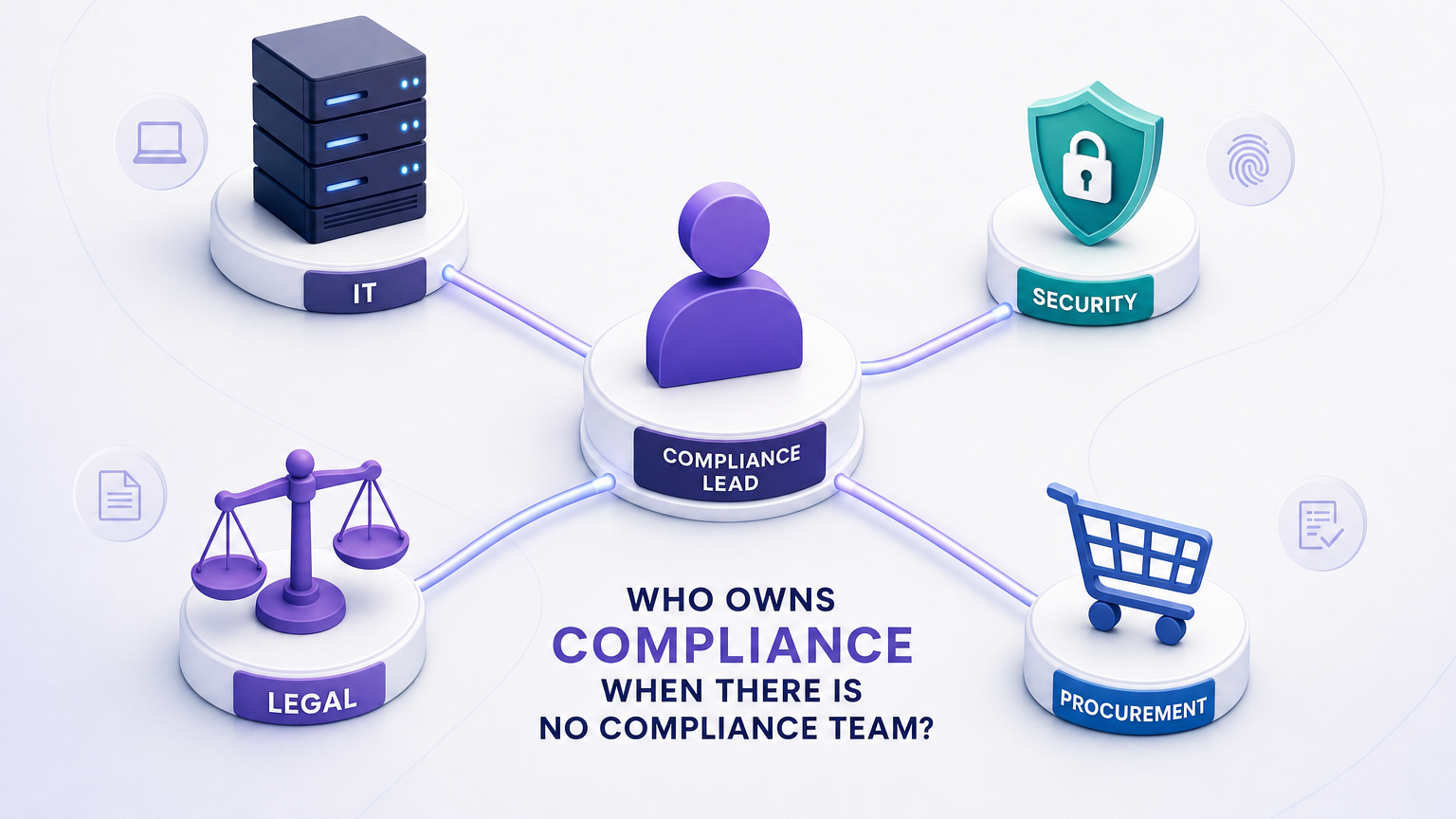
Who owns compliance when there is no compliance team? Executive leadership does, by designating an accountable compliance lead who coordinates control owners across IT, security, legal, procurement, and the business. The executive sponsor retains oversight while the appointed lead coordinates the work and escalates unresolved risks.
The right assignments depend on the obligation and the people available. Some laws or contracts specify particular roles, so legal counsel should confirm those requirements. A documented ownership model gives the rest of the organization a practical starting point.
Start with one accountable leader and clear control owners
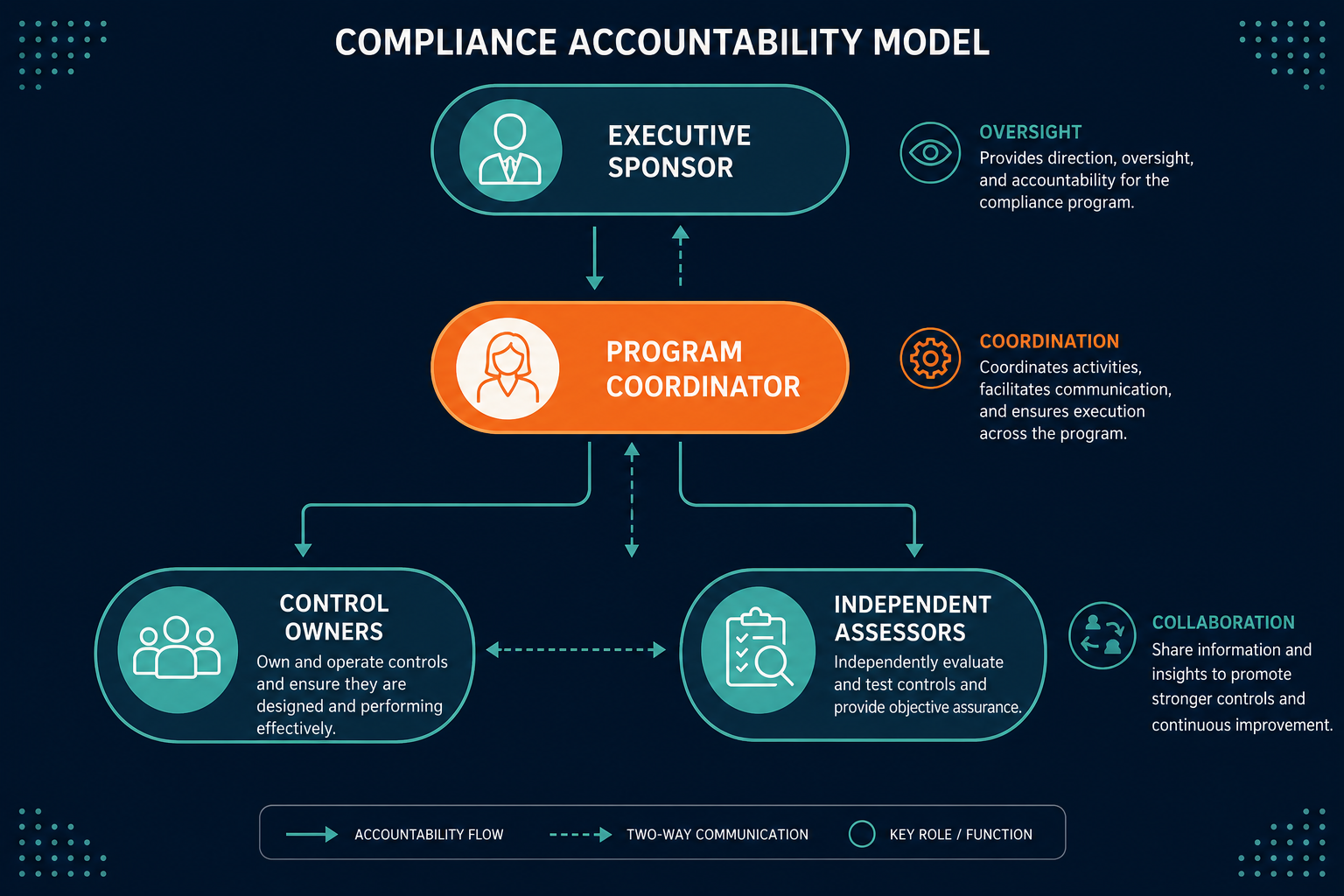
A useful ownership model separates oversight from day-to-day execution. The executive sponsor approves priorities and provides resources. A designated compliance lead coordinates the program, maintains the obligation register, and reports open risks.
The compliance lead might be an IT director, security leader, operations executive, or another qualified employee. Their title matters less than their authority, access to information, and capacity to coordinate the work. Record a named primary owner and a backup so an employee departure does not interrupt the process.
Individual control owners remain responsible for operating their assigned controls. An infrastructure manager might own server configuration evidence. A people operations lead might own a workforce training record. Legal counsel interprets applicable obligations relevant to their area.
The NIST Cybersecurity Framework 2.0 identifies roles, responsibilities, and authorities as part of cybersecurity risk governance. It supports assigning and communicating responsibilities across the organization. The framework is voluntary guidance, and its use alone does not establish compliance with a particular regulation.
Document authority alongside the person’s name. The compliance lead needs to know who can approve remediation, accept an exception, request funding, and resolve competing priorities. A task assigned without decision authority can remain open even when its owner responds promptly.
Can one person coordinate compliance without a dedicated department?
One person can coordinate compliance activities when leadership grants authority, time, and access to control owners. The coordinator still needs qualified colleagues to operate controls and supply evidence. For regulated roles or independent assessments, confirm whether the applicable obligation requires a particular designation or separation of duties.
Decide which obligations apply before assigning tasks
Compliance ownership begins with a defined obligation. Legal and business leaders should identify requirements from applicable laws, customer agreements, industry frameworks, and internal commitments. Each obligation needs an identified source, scope, owner, and review date.
Separate a mandatory legal requirement from a contractual promise or voluntary framework. The same technical control can support several obligations, but the evidence and assessment criteria may differ.
Start an obligation register with these fields — the backbone of a compliance accountability framework the rest of the organization can reference:
- The obligation and the document establishing it.
- The business service, location, or customer contract in scope.
- The person accountable for interpreting the requirement.
- The required control and its operating owner.
- The evidence source and expected review frequency.
- The due date, open questions, and escalation contact.
Teams starting from scratch can adapt IT asset audit checklist for small businesses as a first pass at the register, then expand it as obligations grow. Keep a record of decisions about scope. An audit team may ask why a system was included or excluded. The owner should be able to point to the decision, its date, and the person who approved it.
Review the register when a contract changes or the organization launches a new service. A newly acquired business, cloud account, or processing activity can change the systems under review. The legal and service owners should confirm whether existing obligations apply before IT expands the evidence request.
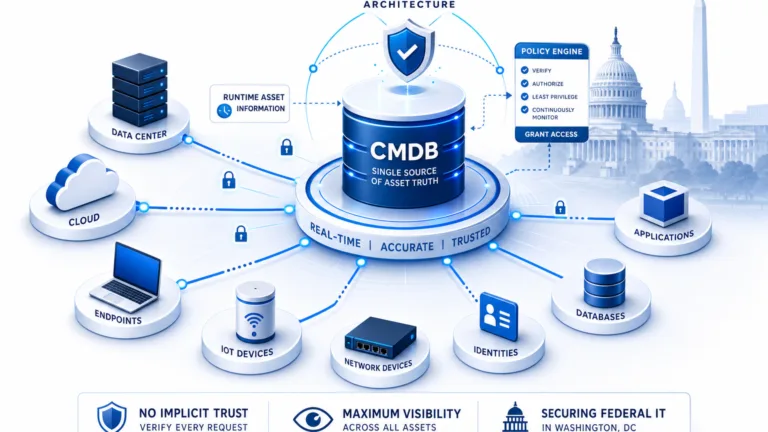
Explore Trusted Runtime Truth to see how discovery-sourced records can support decisions about what exists, how it connects, what changed, what could break, and who owns it. This infrastructure context helps teams investigate the systems involved in a control. Legal interpretation and control approval remain responsibilities of the designated owners.
Assign ownership for each control and its evidence
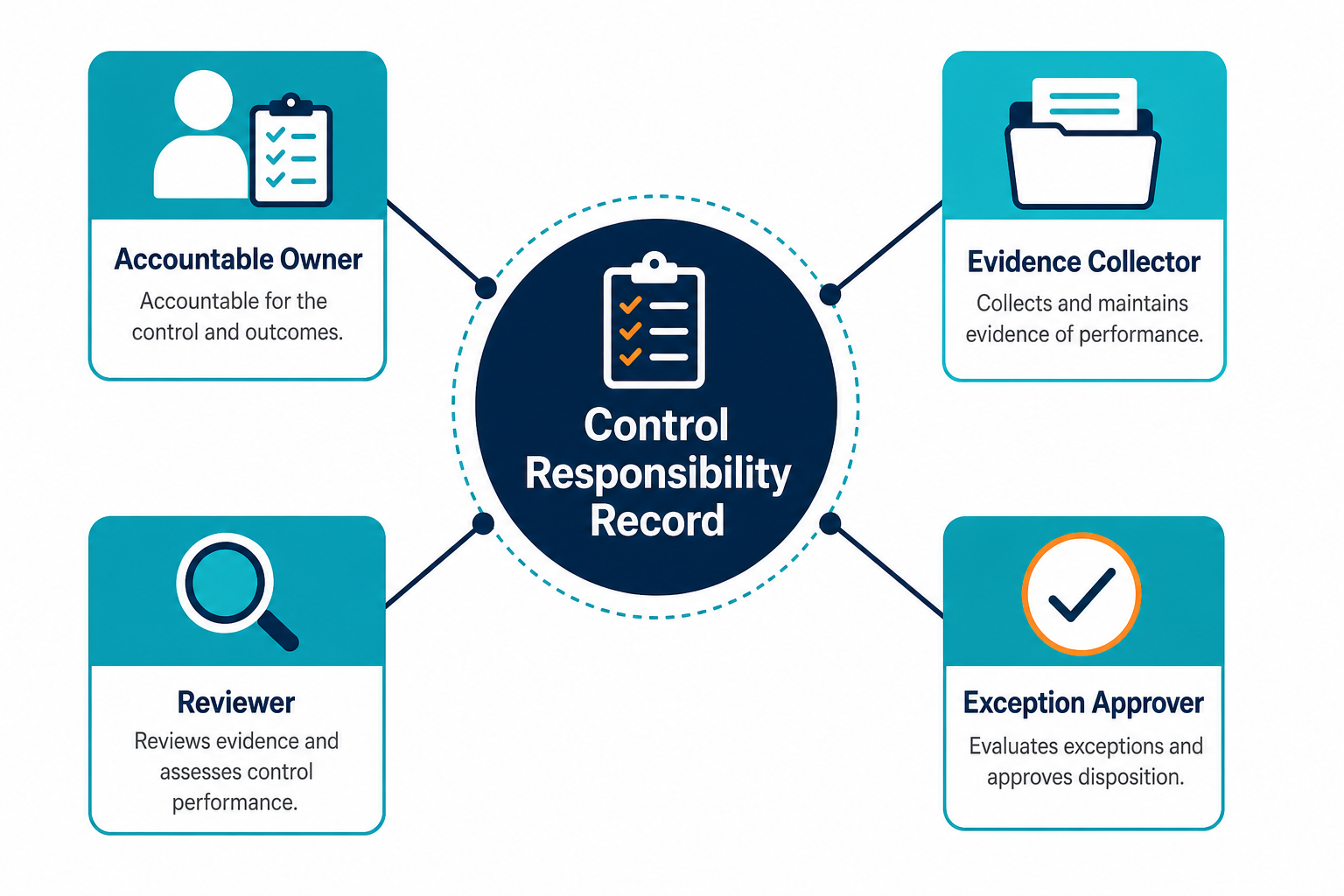
A compliance program needs assignments at the level where work happens. For each control, name the person who operates it, the person who checks it, and the person who can approve exceptions. A separate evidence owner may collect records when the operator works in another system.
For example, an access review may involve an application owner, an identity administrator, and a security reviewer. The application owner confirms who should retain access. The administrator supplies the access list. The reviewer checks the completed decision against the applicable policy.
Record the expected evidence before the review begins. An access export alone may show who has access, but it does not document the owner’s approval. A completed review needs the population examined, the decisions made, the review date, and any follow-up actions.
What a responsibility record should include
A compact responsibility record should answer these questions:
- Who is accountable for the control’s outcome?
- Who performs the control and maintains its procedure?
- Who collects and preserves the supporting evidence?
- Who reviews the evidence and challenges exceptions?
- Who approves remediation or accepts residual risk?
- Who acts as backup when an owner is unavailable?
One employee may perform more than one function when staffing is limited. Identify those overlaps explicitly: where the same person operates and reviews a control, arrange an independent review when the applicable standard or risk assessment calls for one.
Can a control owner also collect audit evidence?
A control owner can collect audit evidence when the applicable requirements permit it. The organization should document who reviews that evidence and who approves exceptions. If independent review is required, an appropriately qualified person should assess the material separately, even when the operating team prepared it.
Define the inventory behind each compliance request
An auditor’s evidence request often starts with a population: the systems, devices, users, or vendors covered by a control. An incomplete population can leave the reviewer sampling the wrong items. Assign a population owner before collecting screenshots or exporting reports.
For infrastructure controls, the IT or configuration manager can compare discovery results with the declared scope. The business owner identifies services included in the assessment. Security or legal confirms whether the chosen scope aligns with the obligation under review.
Document the source and collection date for each inventory. Compare discovered records with cloud account inventories, procurement records, and service owner lists where those sources apply. Investigate missing systems, duplicate records, retired devices, and conflicting ownership before treating the population as ready for sampling.
Who should own the asset population behind a compliance control?
An audit evidence request is only as accurate as the population behind it — the declared list of systems, users, or vendors in scope. Assigning a named population owner, and reconciling that list against discovery data before sampling begins, catches missing or retired assets before an assessor does.
Using stable identifiers for reconciliation
Use stable identifiers when reconciling records. A verified serial number can identify a physical device, while a cloud instance ID can identify a supported cloud workload within its source scope. Hostnames are useful context, but they can change or be reused. Teams supporting SOX IT general controls specifically can reference Must-have features for effective IT inventory software for scoping guidance tied to that framework.
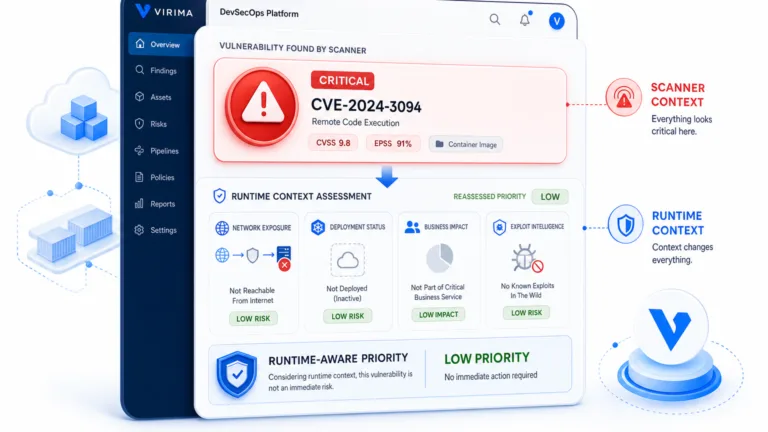
Virima supports scheduled discovery of supported infrastructure and maintains configuration items and relationships in its configuration management database (CMDB). Teams can use those records to investigate asset populations and ownership. The completeness of a report depends on discovery coverage, configured access, source data, and the scope agreed by the owners.
A discovery report supports evidence collection without replacing the control review. A list of servers does not establish that access approvals were completed. The person responsible for the control must connect the population to the relevant procedure and retain the required evidence.
Create a review and escalation rhythm
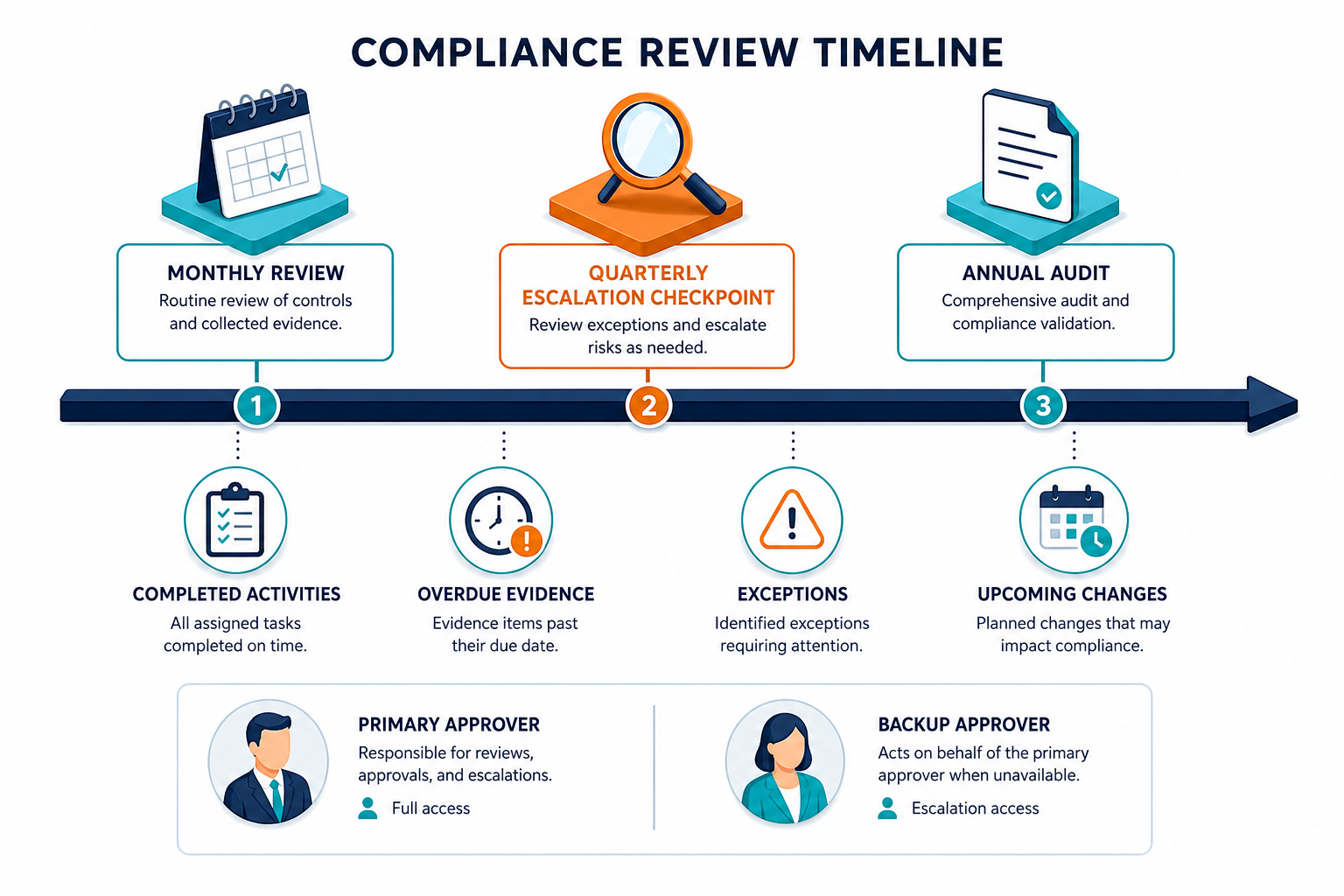
A compliance lead needs a predictable way to find overdue work. Set review dates based on the obligation, the control, and the organization’s risk assessment. A monthly operating review can be useful, but the required frequency may differ by control. A CMDB that tracks newly discovered or retired configuration items between review cycles gives the compliance lead an early signal that a control’s population has shifted before the next scheduled check.
During each review, ask control owners to report completed activities, overdue evidence, exceptions, and upcoming changes. Record the next action and a date for each unresolved item. The compliance lead should escalate issues that exceed the owner’s authority or remain open beyond the agreed deadline.
Escalation should lead to a decision. The executive sponsor may authorize remediation, assign additional resources, or accept a documented risk where permitted. A risk acceptance should identify its scope, owner, compensating measures, review date, and approval authority.
Track exceptions separately from completed controls. A missing evidence file, a control that failed, and a system outside the approved scope require different responses. Record the distinction so leadership can see both the issue and the decision needed.
Who approves a compliance exception without a compliance department?
A designated risk owner or executive should approve an exception within their documented authority. The decision should record the affected requirement, reason, compensating measures, and review date. Legal or contractual limits may restrict which exceptions can be accepted, so consult the relevant specialist before approval.
Keep a backup for each approval role. An escalation path that ends with an unavailable executive can delay a decision during an assessment. The backup should have authority to act, not merely receive a notification.
A coordinator who sees the same control missed in several reviews should ask whether its owner has the right system access and enough time. If not, adjust the assignment instead of repeatedly extending the deadline.
Give control owners a clearer view of the infrastructure behind their evidence requests. Review your asset inventory and ownership requirements with Virima.
Prepare evidence for an independent review
The evidence package should let a reviewer understand what was checked and when. For each control, record the relevant policy, the population in scope, the operating evidence, and the reviewer’s decision. Store the material in an approved location with access limited to authorized people.
Use consistent naming and timestamps so reviewers can distinguish current evidence from an older export. Keep the source system and collection method with each file. Where a report contains sensitive data, follow your organization’s retention and access policies. For a deeper walkthrough of keeping a CMDB audit-ready year round, see building a CMDB that stays audit-ready.
Test a sample before an external request arrives: have someone outside the operating task trace the evidence from requirement to control to population, and document any step that currently relies on an undocumented conversation.
For a server patching control, the population might begin with an agreed server inventory. The patching platform supplies its coverage and results. The infrastructure owner investigates servers missing from the patch report, while the reviewer checks whether exceptions were handled under policy.
The inventory and the patching report can have different collection dates. Record both and investigate any asset that appeared after the patch export rather than treating the review as complete.
An external assessor may select different evidence or request a different population. Confirm expectations with that assessor before finalizing the package. Avoid promising that a single export, platform, or checklist will satisfy every framework.
Know when to bring in outside expertise
A designated lead can coordinate a program without being a specialist in every obligation. Legal counsel can interpret regulatory or contractual language. A security adviser can assess technical controls. An independent auditor or assessor can provide the evaluation required for a particular engagement.
Define the outside party’s scope in writing. Identify which controls they assess, what information they need, and who receives their findings. Keep an internal owner responsible for responding to the work and making decisions.
An outside adviser can recommend remediation, but the organization still needs someone authorized to approve and carry it out. Assign each finding to a control owner with a due date. The executive sponsor should review unresolved risks that cross functional boundaries.
Consider additional expertise when obligations cross jurisdictions, technical evidence is hard to interpret, or the organization cannot meet an independence requirement internally. The applicable rules and contracts determine whether a specific outside role is mandatory.
Make compliance ownership visible across the business
Start with one control and trace its requirement through the population, evidence, review, and approval. Resolve the gaps before expanding the same approach to the next control. A reliable infrastructure inventory gives owners a starting population for that work.
Schedule a Virima demo to discuss the discovery and asset records your control owners need. Bring an example evidence request and the systems included in its scope.
Frequently Asked Questions
Who is responsible for compliance when there is no compliance department?
Leadership should designate an accountable compliance lead and assign owners for individual controls. The lead coordinates requirements, evidence, and escalation. Applicable laws or contracts may require specific roles, so qualified counsel should confirm the organization’s obligations.
Can the IT director own compliance?
An IT director can coordinate a compliance program if leadership provides authority and sufficient capacity. Legal, security, business, and other owners still need to operate their assigned controls. Confirm whether particular obligations require separate roles or independent review.
What should a compliance ownership register include?
Record each obligation, its scope, its accountable lead, and the relevant control owner. Include evidence sources, review dates, approval authority, and escalation contacts. Update assignments when personnel or requirements change.
How can Virima support compliance evidence collection?
Virima supports scheduled discovery and maintains configuration item records and relationships. Those records can help teams investigate the infrastructure population behind a control. Control owners must still validate scope, operate the control, and provide the evidence their assessor requires.
Can Virima help identify the owner of an in-scope asset?
Virima can maintain ownership and other context on asset and configuration records when that information is supplied and maintained. Teams should resolve missing or conflicting assignments with the relevant business and infrastructure owners. The available information depends on the sources and records configured.