Hardware and Software Asset Management with Virima

What is IT asset management?
IT asset management (ITAM) is the systematic process of maintaining, upgrading, and disposing of technology assets within an organization. These assets include hardware devices, software applications, and network resources. Effective ITAM ensures that all technology resources are used efficiently, reducing costs and minimizing the risks tied to your IT infrastructure.
[VISUAL: IT asset lifecycle diagram: Procurement > Deployment > Maintenance > Refresh > Disposal, with Virima discovery feeding into each stage]
The real cost of poor hardware and software asset management
Effective hardware and software asset management is critical for operational efficiency. But most IT teams face the same obstacles: tracking assets across multiple locations, managing software license compliance, and handling the full lifecycle of hardware and software across a constantly shifting environment.
The consequences of weak asset management extend beyond budget waste. Unlicensed software exposes your organization to legal risk and security breaches. Unmanaged hardware drives up operational costs and creates exploitable gaps. Without clear visibility into what you own, you cannot make confident decisions about procurement, refresh cycles, or risk remediation.
Poor visibility also slows the business down. When IT teams spend their time chasing asset records rather than acting on them, the organization adapts more slowly to change, scales with less certainty, and reacts to problems instead of preventing them.
What challenges do IT teams face with hardware and software asset management?
Common challenges include tracking assets across multiple locations, managing software license compliance, handling hardware refresh cycles, and maintaining accurate inventory across cloud and on-premises environments. Poor visibility leads to compliance risk, wasted spend, and security gaps from untracked or unpatched devices.
Why your organization needs a formal asset management strategy
A structured asset management strategy gives your team a clear framework for controlling technology throughout its lifecycle. Here is why it matters:
- Optimized asset utilization. A formal inventory system ensures assets contribute to your goals instead of sitting idle or generating shadow costs. This reduces downtime and keeps your assets working toward your business objectives.
- Cost control. Lifecycle tracking lets you plan maintenance, refresh cycles, and replacements before they become emergencies. This improves financial planning and cuts unnecessary expenditures.
- Risk reduction. Identifying vulnerable, non-compliant, or unauthorized assets early is far less costly than finding them during an audit or after an incident.
- Regulatory compliance. A documented strategy keeps you aligned with relevant laws and standards, avoiding fines and legal exposure.
- Better decision-making. Data on asset performance and usage informs procurement choices, budget planning, and long-term IT strategy.
- Operational efficiency. Consistent asset management processes reduce delays, cut errors, and improve overall service delivery.
How Virima handles hardware and software asset management
Virima’s ITAM platform is built for IT teams that need accurate, complete visibility across hardware, software, and network assets. Below is what it covers.
1. Discovery, inventory, and optimization
Virima’s hardware and software asset management solution discovers hardware, software, and network devices using both agent-based and agentless discovery methods. Your team selects the approach that fits your environment.
The discovery engine collects detailed information about hardware components, installed software, and network devices, giving you a complete picture of your IT assets. High-frequency discovery cycles keep your inventory current, so the decisions you make are based on what is actually running in your environment today.
2. Centralized tracking and efficient operations
Virima consolidates all asset information into a single repository covering hardware, software, and configuration data. Customizable attributes let you track the data points that matter most to your team. Reporting and analytics tools surface the insights needed for confident decision-making. This integrated approach reduces errors and improves overall asset management efficiency.
3. Multi-cloud and hybrid environment support
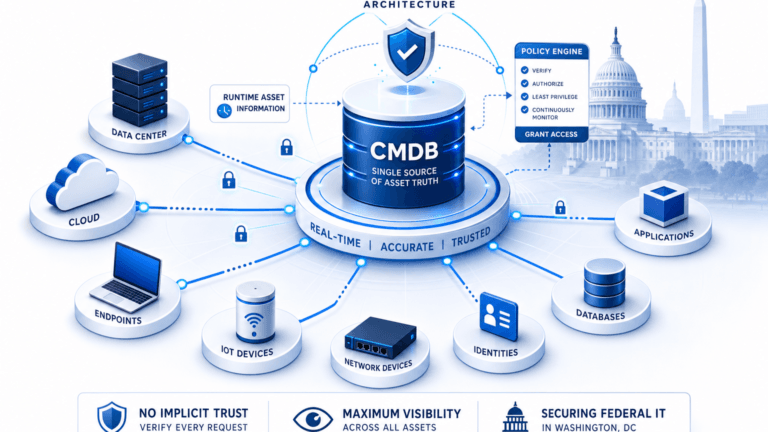
Virima supports multi-cloud and hybrid IT environments. It discovers AWS and Azure infrastructure via API-based discovery, along with VMware and on-premises systems. Its scalable architecture handles the complexity of large, mixed environments. Virima also integrates with third-party discovery tools like SCCM to fill gaps in your existing coverage.
How does Virima support hardware and software asset management in hybrid environments?
Virima discovers assets across AWS and Azure via API-based discovery, along with VMware and on-premises infrastructure. It integrates with tools like SCCM to supplement existing coverage. All data feeds into a centralized repository, giving IT teams a consistent view across hybrid environments.
[VISUAL: Architecture diagram: Virima discovery spanning AWS, Azure, VMware, and on-premises, all feeding into a centralized ITAM repository]
4. License management and cost savings
Virima tracks and manages software licenses across your environment. It alerts you to compliance issues before they become penalties and identifies unused licenses that represent wasted spend. By surfacing consolidation opportunities, Virima helps you reduce software costs without disrupting operations.
Understanding how your software licensing models affect both cost and compliance is a key part of a sound IT strategy. Virima gives you the data to make those assessments with confidence.
5. Security and vulnerability mitigation
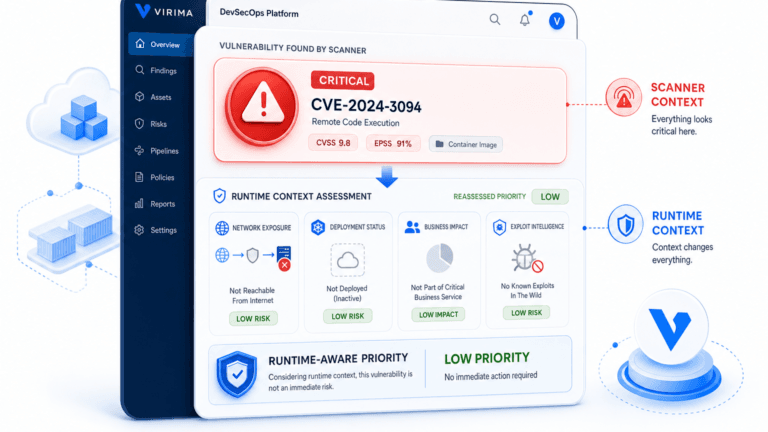
Virima’s security capabilities cover vulnerability identification, IT asset compliance monitoring, and risk management across your estate. It helps you identify and address vulnerabilities before they escalate into incidents. It also supports compliance with standards including GDPR, HIPAA, and PCI DSS, and helps you track risks like unauthorized access and system downtime.
How does Virima help with software license compliance?
Virima tracks installed software against your license entitlements, flags over-deployment and unused licenses, and alerts you to compliance risks before an audit. This gives your team the data needed to stay compliant and optimize software spend without manual reconciliation.
Want to see how Virima maps and tracks your full asset estate? Schedule a demo today.
ITSM integrations that extend Virima’s value
Virima integrates bidirectionally with major ITSM platforms including ServiceNow, Ivanti, Halo, Jira Service Management, and Xurrent. These connections bring Virima’s discovery data into the platforms your team already uses for incident management, change control, and service requests. Pairing Virima with your ITSM gives every team member accurate, discovery-sourced asset context directly inside their existing workflows.
ServiceNow integration
Combining Virima’s discovery and service mapping with ServiceNow gives your team accurate, current information about IT assets and services throughout their lifecycle. This supports license compliance, reduces CMDB maintenance overhead, and cuts the costs tied to manual asset updates.
Ivanti integration
Virima’s discovery capabilities extend Ivanti’s Neurons for Service Mapping by discovering, categorizing, and mapping relationships among IT assets. From servers and networking hardware to software applications and virtual resources, Virima enriches the CMDB with manufacturer, model, and configuration details.
As your environment changes, Virima’s high-frequency discovery cycles surface shifts in hardware and software landscapes, keeping the CMDB aligned with what is actually running. This supports precise asset tracking, compliance, and optimization across a constantly evolving IT estate.
Jira Service Management integration
Virima’s integration with Jira Service Management ties asset data directly to incidents, change requests, and service tickets. Teams associate asset context with every request, improving response times and reducing the manual work of linking asset records to tickets. For teams using Halo, Virima’s ViVID™ service maps bring the same depth of service relationship context to their environment.
What ITSM platforms does Virima integrate with for asset management?
Virima integrates bidirectionally with ServiceNow, Ivanti, Halo, Jira Service Management, and Xurrent. These integrations connect Virima’s discovery-sourced asset data to incident management, change control, and service request workflows inside the tools your team already uses.
Discovery-driven asset visibility your team can act on
Virima’s hardware and software asset management platform combines a discovery-sourced inventory with KPI dashboards and reporting tools that give you full IT visibility across your portfolio. That visibility supports better procurement decisions, deployment planning, and organizational design.
With Virima, your team addresses IT security and compliance concerns before they escalate, backed by accurate, discovery-sourced data. Stop chasing asset records. Start acting on them.
See how Virima delivers discovery-driven hardware and software asset management for your environment. Schedule a demo today.