CMDB for Logistics and the TMS and WMS Dependencies Nobody Has Written Down

When logistics systems fail, the effect can reach customers far beyond the warehouse.
In July 2026, a cyberattack disrupted operations across Nichirei’s refrigerated distribution network. The Record reported that the disruption affected approximately 140 distribution centers. Some KFC Japan restaurants reduced menus and shortened hours after ingredient deliveries were interrupted.
The reporting does not establish whether configuration records affected Nichirei’s response. It does show why logistics leaders need a clear picture of the technology supporting each site.
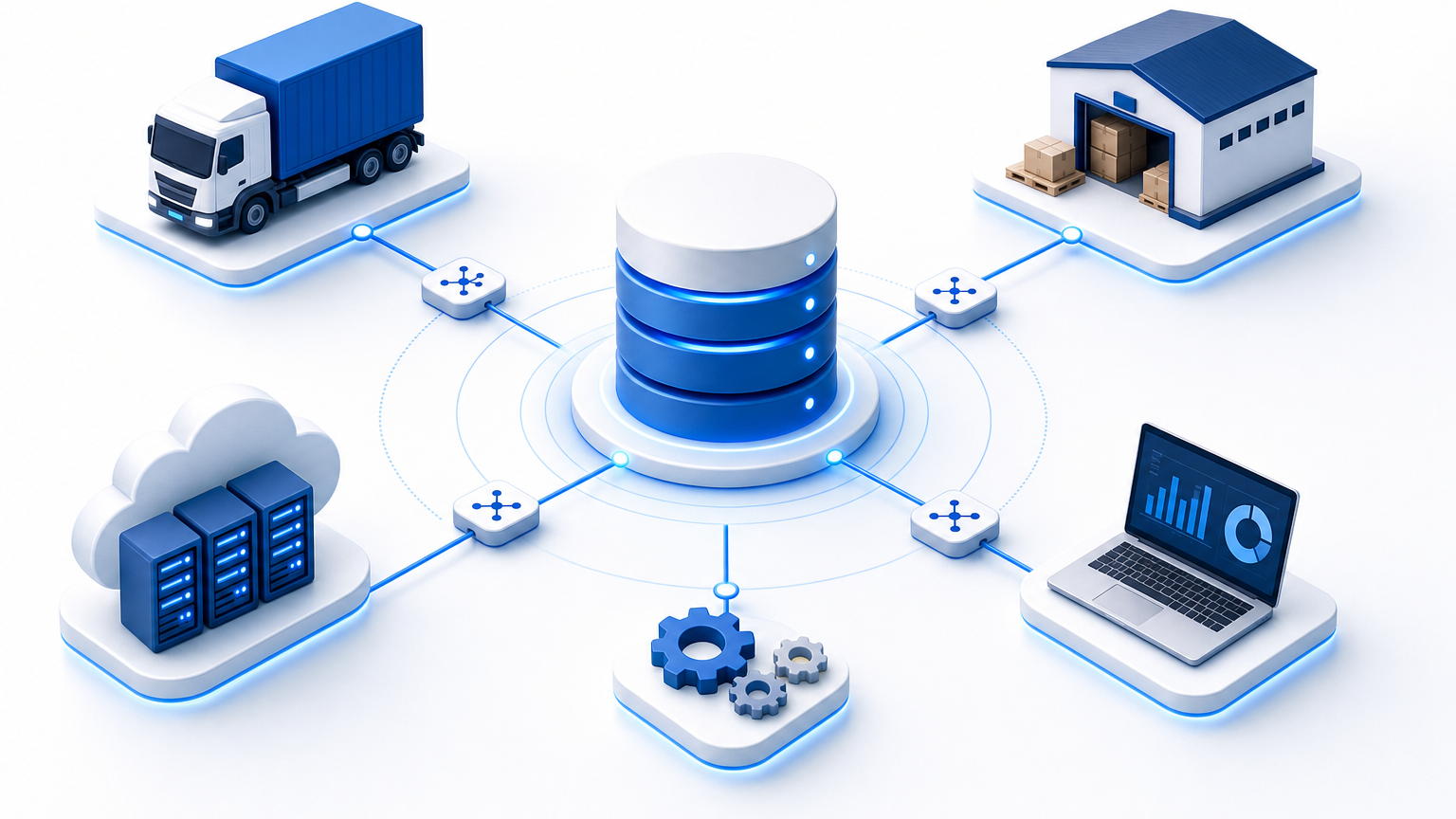
A CMDB for logistics gives IT teams a place to record those systems and their relationships. The useful record goes beyond the warehouse management system name. It connects the applications, interfaces, infrastructure, site dependencies, and accountable people involved in a service.
What is a CMDB for logistics, beyond a stock list?
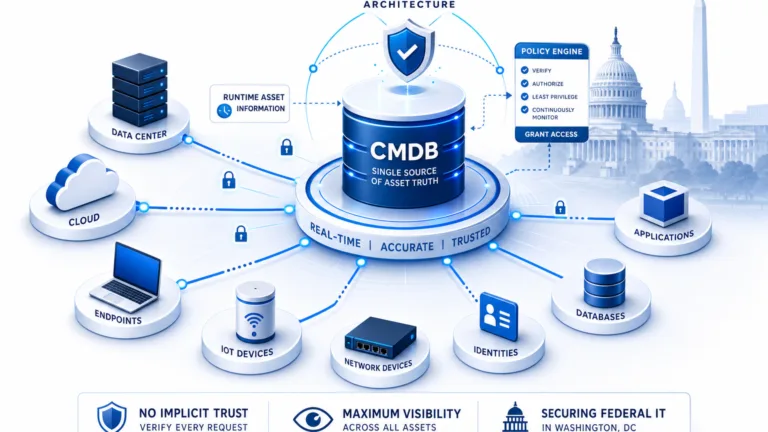
A configuration management database, or CMDB, records configuration items and their relationships. A configuration item, often called a CI, is a component an organization chooses to manage because it supports a service.
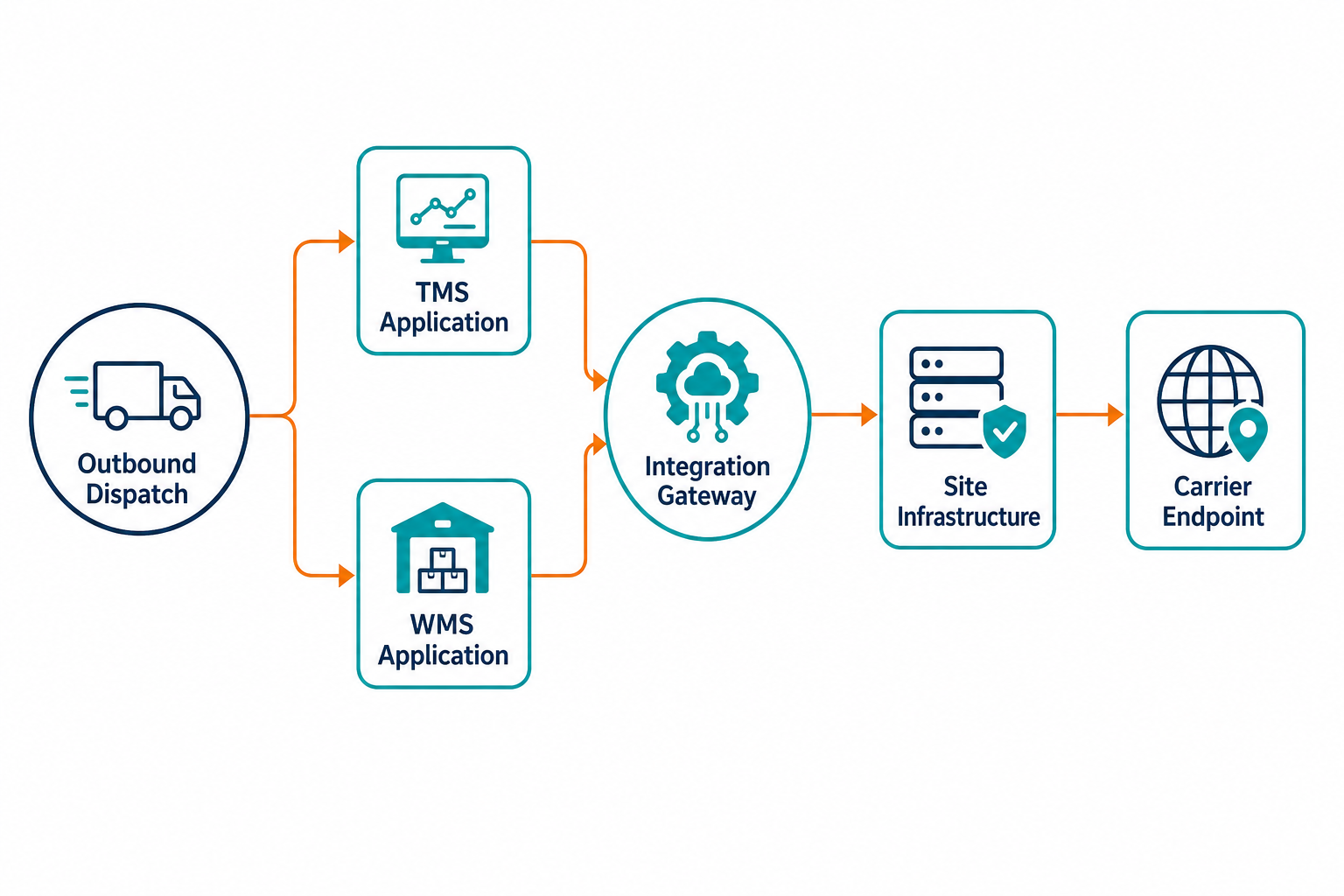
For logistics, those components can include transportation management systems, warehouse applications, integration gateways, servers, and network devices. A business service record can connect them to the work they support, such as outbound dispatch.
The NIST Cybersecurity Framework includes asset management within its approach to managing cybersecurity risk. Knowing which systems support business activities also gives operations teams a starting point for incident and change decisions.
A transportation management system, or TMS, helps manage transportation activities such as shipment planning and carrier coordination. A warehouse management system, or WMS, supports warehouse activities such as receiving, picking, and loading. Their exact responsibilities and handoffs depend on the organization’s processes and application configuration.
Configuration management is not a new idea for transportation systems specifically. The U.S. Department of Transportation’s own primer on configuration management for transportation systems argues that changes to a subsystem need to be assessed against the whole system, since an isolated change can create effects nobody accounted for. A CMDB gives logistics IT teams a practical way to apply that same principle across the TMS, the WMS, and the infrastructure connecting them.
The CMDB complements those systems. The WMS and enterprise resource planning system hold operational records such as inventory and orders, while the CMDB documents supporting technology. For how that CMDB scope differs from tracking the lifecycle of the hardware itself, see ITAM for logistics.
What to record for a logistics service
Start with the service that operators need to deliver. Then record the components and relationships that support it.
| Configuration item | Logistics example | Relationship to capture |
|---|---|---|
| Business service | Outbound dispatch | Depends on the applications and infrastructure used to release and ship orders. |
| Application | TMS, WMS, or ERP | Runs on named infrastructure or connects to a provider-operated service. |
| Interface | Shipment-plan handoff or carrier booking API | Communicates with the systems at each end and has accountable owners. |
| Integration layer | API gateway or integration platform | Hosts or supports interfaces between applications and external parties. |
| Infrastructure | Server, cloud workload, switch, or firewall | Hosts an application or connects a site to a required service. |
| Edge device | Handheld scanner or label printer | Connects to the relevant application or network where that relationship is known. |
| External dependency | Carrier endpoint or hosted application | Records the dependency, provider contact, and visibility available to the organization. |
The relationship direction should be readable without consulting another document. For example, an interface communicates with a TMS and a WMS. A WMS application may run on a server, while outbound dispatch depends on the application.
Use relationship names consistently across sites. If two teams use different labels for the same dependency, agree on one definition before importing records.
Why the TMS, WMS, and network rarely share a record
Transportation teams may own the TMS, while warehouse teams manage the WMS. Infrastructure teams may maintain servers and networks, while integration specialists manage application handoffs.
Each group can maintain a useful record for its own work. The gap appears when an incident or change crosses those boundaries.
A project folder may describe an interface at launch. Months later, a new endpoint or certificate owner may appear only in a change ticket. A warehouse may also use a different configuration from another site, even when both use the same application.
External providers add another boundary. A carrier-operated endpoint can be important to dispatch even when the logistics company cannot inspect its underlying infrastructure.
Record the dependency that is known. Mark the provider-managed portion and the information that remains unavailable.
Why do logistics teams need one record across systems?
A shared record helps teams answer a practical question: which components support a particular service at a particular site?
The answer becomes harder when several warehouses use common applications with local differences. A central WMS might serve multiple facilities, while each site has its own printers, network equipment, and connectivity.
Without agreed relationships, responders may have to reconstruct the service path during an incident. Change reviewers face a similar problem when a shared gateway or server is included in a maintenance request. For a broader look at how this plays out across logistics IT operations, see Retail and Logistics IT Operations via CMDB.
The CMDB owner does not need to discover every relationship personally. Application owners, infrastructure teams, and operations leads each contribute the information they can verify.
A discovery-sourced CMDB record gives those contributions a common place to meet. Its usefulness still depends on ownership, source coverage, and regular review.
Four seams where logistics records split
1. The TMS-to-WMS handoff. A shipment plan, order wave, or load confirmation may pass through an interface before warehouse teams can act on it. Record both endpoints, the integration owner, and the support contact for each application.
Result: Incident responders have a defined starting point when a handoff stalls.
2. The WMS-to-infrastructure relationship. An application record may name the WMS without identifying its hosting environment. Connect the application to the relevant server, workload, or provider-managed service.
Result: Teams can identify which sites may share an affected component.
3. The integration-to-provider boundary. A gateway may support several carrier or customer connections. Record which interfaces use it and who coordinates with each outside party.
Result: A proposed gateway change can be reviewed against its known dependents.
4. The service-desk-to-CMDB handoff. A ticket can describe an operational symptom without identifying the affected CI. Agree on the CI and service names that support staff should use when logging incidents.
Result: Responders can connect the ticket to a service path and its accountable owners.
Include enough context to distinguish production from test environments and one warehouse from another — name the specific site and environment in the relationship itself rather than leaving a reader to infer it.
What do split records cost across the business?
The cost of an incomplete record depends on the service, the duration of disruption, and the work required to resolve it. Teams can measure their own exposure without assigning an unsupported dollar figure.
For operations and supply chain leaders
A warehouse systems incident can affect dispatch schedules, receiving capacity, and customer commitments. Operations leaders need to know which site services rely on the affected technology.
A shared service record can support that conversation. It gives operations and IT a common reference for affected locations, known dependencies, and the people responsible for each component.
The record does not determine recovery priority by itself. Operations owners must confirm which activities are most important and what workarounds remain available.
For CMDB owners and IT managers
Reconciliation often falls to people who did not create the original application or interface. They must compare discovery results, project documentation, tickets, and information from multiple owners.
Estimate the weekly time spent resolving duplicate records or identifying missing owners. Track the number of exceptions that remain open after each review cycle.
As an illustrative example: if duplicate-record triage takes three hours a week across four reviewers, that is more than 600 hours a year spent on a problem a cleaner handoff could prevent.
Those measures reveal where the process needs attention. They also help distinguish a discovery coverage gap from an ownership or relationship gap.
For finance and procurement
A disruption can generate recovery costs, delayed shipments, and emergency supplier work. The precise financial effect requires incident-specific evidence.
Procurement teams also need to know which external providers support critical interfaces. A provider contact and contract reference can shorten the search for the right escalation path.
Keep commercial records in the appropriate system. Link or reference them from the relevant CI when the organization has established that process.
Across the wider industry
Logistics services depend on combinations of applications, infrastructure, and outside providers. A documented dependency model gives teams a way to discuss that exposure before the next change or incident.
How one record changes the next outage
Consider an illustrative service path for outbound dispatch. The TMS sends shipment information through an integration gateway to the WMS. The warehouse then uses connected devices to support picking and loading.
The gateway develops a fault, and shipment information stops reaching the WMS. The service desk receives reports from two sites that loads are waiting.
A useful incident record starts with the affected business service and locations. Responders can then inspect the known application and interface relationships rather than treating each site report as a separate mystery.
The TMS owner checks whether shipment information left the application. The integration owner checks the relevant gateway and handoff. The WMS owner confirms whether the receiving interface is available.
Those checks can happen in parallel when ownership is clear. The service record also identifies the team responsible for communicating with warehouse operations.
The map supports investigation, but it does not prove the gateway caused the incident. Responders still need logs, monitoring, and application checks to establish the fault.
After recovery, the incident team should compare the actual path with the recorded path. Missing dependencies and incorrect contacts become assigned updates with a review date.
What the incident team needs on each record
For an application or interface, include the following information where available:
- A unique name and environment, such as production or test.
- The business service and sites that depend on it.
- The technical owner and an operational contact.
- Connected systems and the direction of each relationship.
- The source of the record and its latest review date.
- Provider escalation details when an external service is involved.
Avoid putting secrets or credentials into a broadly accessible CI record. Store sensitive access information in the organization’s approved system.
An incident exposes the practical quality of a record. Teams should be able to find the relevant service and identify the next person to contact.
CMDB for logistics examples from the dock to the data center
The same modeling approach works across several logistics activities. Each service starts with an operational outcome and then follows the technology supporting it.
Carrier booking
A booking service may depend on a TMS, an integration platform, and a carrier endpoint. Record the internal owner, provider contact, and interfaces that use the connection.
If the carrier operates the endpoint, document the visibility available to your team. The provider’s internal servers remain outside your verified map unless that information is supplied.
Warehouse receiving
Receiving may depend on a WMS, site connectivity, and handheld devices. Record which site uses each component and whether the WMS is shared with other locations.
When a single WMS instance serves multiple warehouses, a fault in that shared application can affect every connected site at once, while a problem with one site’s local printer or network gear stays contained to that location. Recording which components are shared and which are site-local lets responders tell those two situations apart immediately.
A network outage at one facility may require a different response from an application fault affecting several facilities. Site relationships help responders distinguish those possibilities.
Label printing
A label service can involve the WMS, a print service, network connectivity, and local printers. Record the relevant relationships where they can be verified.
If printers are grouped rather than modeled individually, document the grouping rule. The record should still identify who supports the devices at each site.
These examples describe possible architectures. Your team’s service definitions and technical records determine the actual model.
Virima shows what your TMS and WMS depend on
Virima combines discovery, CMDB records, and service mapping to help teams examine technology dependencies. The logistics team supplies the business context and confirms the services that matter. For an example of this approach applied to a distribution-heavy environment, see CMDB Automation for Atlanta’s Logistics and Supply Chain Enterprises.
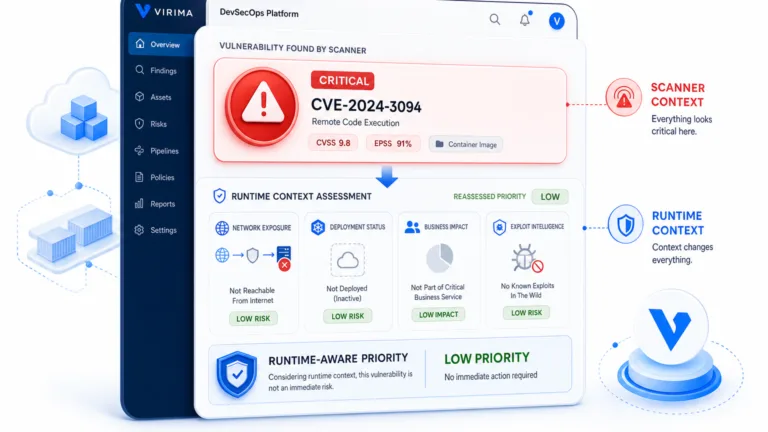
Trusted Runtime Truth brings those records together in Virima’s ViVID™ service maps, showing what exists, how it connects, what changed, and who owns it. Teams can use that visual context to investigate potential impact before acting.
What the first scans show
Discovery can identify supported infrastructure and software within the configured scope. Depending on access and configuration, findings may include servers, network devices, installed software, and relationships.
The first pass also reveals what discovery cannot reach. Segmented networks, missing credentials, provider-operated environments, and unsupported devices may require another source or a documented exception.
Review the scan scope with site and infrastructure owners. A missing item can reflect a coverage issue rather than proof that the component no longer exists.
Set a scheduled discovery cycle appropriate to the environment. Confirm who reviews failed scans and who resolves access problems.
Keeping the record true between audits
Discovery results need reconciliation with application ownership, service definitions, and other sources. A newly observed server may already have a record under another name.
Use durable identifiers where available. A serial number or cloud instance ID can help distinguish an asset from another record. A hostname alone may change or be reused.
Agree on which source controls each important field. Infrastructure discovery may provide a server attribute, while an application owner confirms the business service and support contact.
When sources disagree, send the exception to an accountable reviewer. Keep the existing record’s history and record the decision according to your governance process.
A scan date gives readers context about freshness. It does not guarantee that every relationship or ownership field was verified on that date.
Working alongside your ITSM and logistics stack
Service teams can use CMDB context alongside incident and change workflows. Virima supports connections with service management platforms, including ServiceNow, Jira Service Management, and Ivanti.
Discovery can also identify the TMS and WMS themselves as applications in the environment — their servers, hosting details, and network connections — independent of any ITSM integration. That gives the CMDB a record of the applications even before a service desk connection is configured.
Review the available service management integrations against your operating requirements. Confirm the records and workflows your team intends to exchange before configuring a connection.
The TMS and WMS remain responsible for their operational data. The CMDB records the technology relationships needed to support those systems.
From site spreadsheets to one shared record
A useful service model can begin with one operational path. Choose a service that crosses applications and teams, then validate its records at a manageable number of sites.
Shorter outage triage
Connect incidents to a business service and the affected configuration items. Give responders a current owner and an escalation route for each major component.
Measure how long it takes the team to identify the correct support groups. Compare that measure over time using your own incident records.
A map can reduce the search for known dependencies. Troubleshooting still requires evidence from the affected systems.
Safer upgrade windows
Before approving a change, identify the services and sites connected to the proposed component. Ask application and operations owners to review the known impact. For more on how undocumented dependencies distort that review, see CMDB Dependency Gap: What Change Impact Analysis Can’t See.
For a gateway change, the review should identify each interface using that gateway. Include provider contacts when the work may affect an external connection.
Record unresolved questions before the maintenance window. The change owner can then decide whether additional testing or a revised schedule is needed.
Cleaner hand-offs to the service desk
Use consistent CI names in tickets, change requests, and service records. Support staff should know when to select an application, interface, site device, or business service.
Provide a short escalation path for each critical service. Review contact details after organizational or supplier changes.
Five steps to a first service map
1. Choose one business service. Select a service such as outbound dispatch and identify its operational owner. Define the sites and activities included in the first map.
2. Gather existing records. Collect application lists, infrastructure records, integration documentation, and relevant service tickets. Note the owner and date of each source.
3. Identify the supporting components. Record the TMS, WMS, interfaces, infrastructure, and provider dependencies needed for the selected service. Mark unknown relationships as unverified.
4. Confirm the relationships. Ask application, integration, infrastructure, and warehouse owners to review the path. Resolve conflicting names and distinguish production from test.
5. Set a review cadence. Assign owners for discovery exceptions, interface changes, and provider contacts. Review the map after material changes and at agreed intervals.
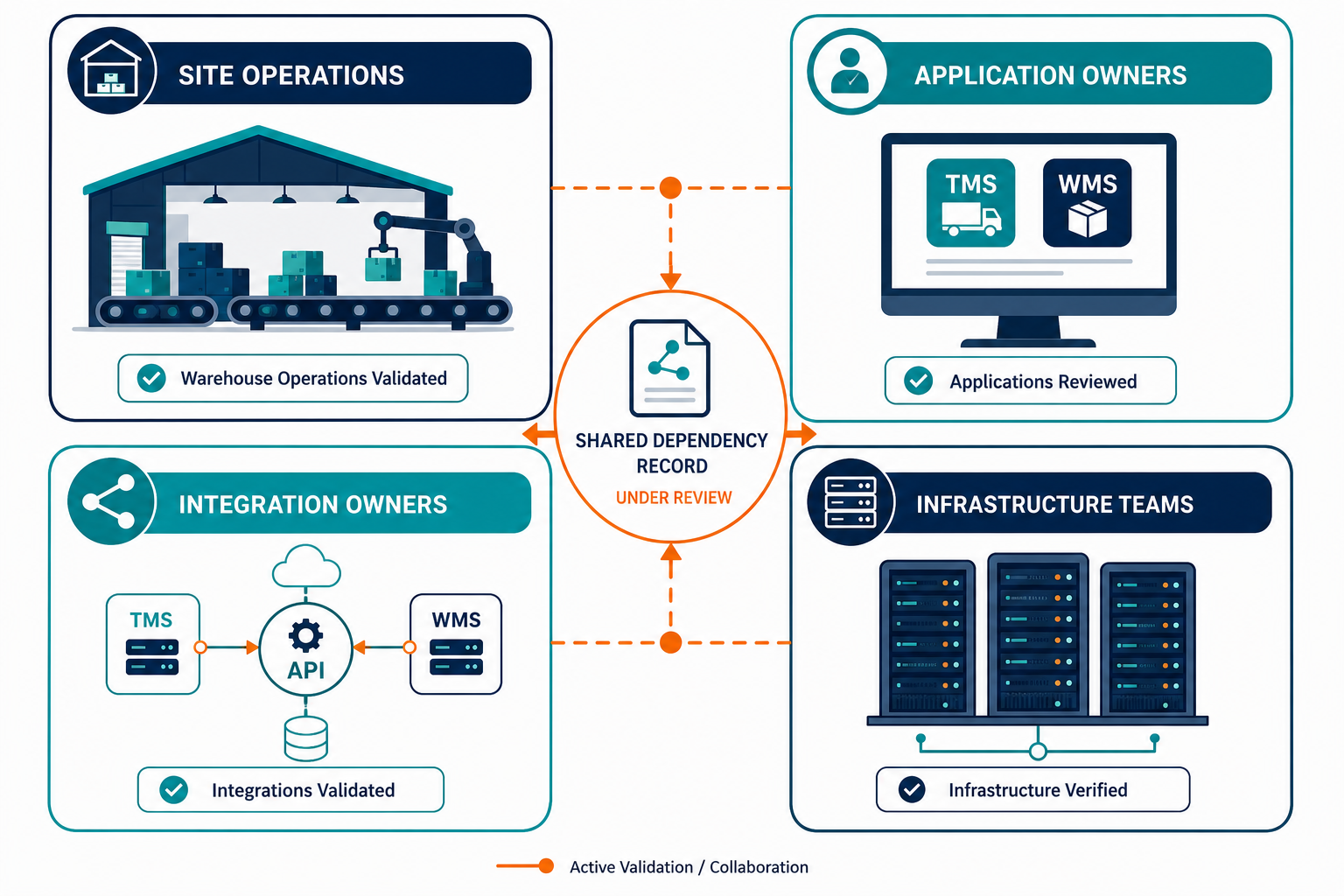
Virima’s ViVID™ service maps build dependency maps after the organization provides its service definitions. Those definitions can be supplied manually, through imports, or through supported integrations.
The map’s scope depends on the information supplied and the discovery coverage configured. Review missing or uncertain relationships with the people responsible for the service.
Check coverage before expanding the map
Before adding another site, compare the service map with a recent incident or approved change. Ask the responders whether the listed owners and dependencies match the systems they used during the work.
Record gaps by type. A missing server may need a discovery scope change, while an unknown interface owner needs an application team’s review. Assign each gap to a person and set a review date.
Keep unresolved external dependencies visible as exceptions. Note what the provider has confirmed and what your team still needs to verify. Revisit those exceptions when contracts, endpoints, or support contacts change.
Use the results to decide which site to model next. A site with different connectivity or a separate integration gateway may need its own relationships, even when it shares the same WMS.
Build a record your logistics teams can use
Start with a service that matters to warehouse operations, then connect its applications, interfaces, infrastructure, and owners. Review the resulting path with the people who use and support it.
A shared record gives incident responders and change reviewers a common starting point. It also gives CMDB owners a practical way to assign and resolve gaps.
Schedule a demo to discuss how Virima could support your logistics service mapping and CMDB workflow.
Frequently Asked Questions
How should a CMDB record a TMS-to-WMS interface?
Record the interface as a managed item when it matters to the service. Connect it to the TMS, WMS, and any integration platform it uses. Include the environment, accountable owners, support contacts, and review date.
Who owns logistics CMDB records across multiple sites?
A CMDB owner can govern the record and review process. Application, infrastructure, integration, and site owners should confirm the information they control. Assign a named owner for each important CI and relationship.
How can teams document a carrier dependency they cannot discover?
Create a record for the known external service or endpoint. Add its relationship to the internal interface, the provider contact, and the available escalation route. Mark the provider-managed infrastructure and any unverified details clearly.
How does Virima build a logistics service map?
Your team provides the service definitions and configures the discovery scope. Virima then builds dependency maps using the available inputs and discovered relationships. Owners should review missing, external, and unverified dependencies.
Can Virima help teams review the impact of a logistics system change?
Virima can show recorded relationships between configuration items and business services. Teams can use those relationships during change review to identify known dependents. Application and operations owners should validate the proposed impact and any gaps.