Best ITSM Software With Advanced Reporting & Analytics (2026)

When IT Directors present operational SLA metrics to the board, static ticket counts and basic throughput graphs are no longer sufficient. Leadership demands clear answers on business service availability, MTTR trends, change success rates, and real-time infrastructure risk. Selecting the right IT Service Management (ITSM) platform requires evaluating not just ticket handling, but how deeply each platform transforms operational data into actionable reporting and executive intelligence.
Best ITSM Software With Advanced Reporting & Analytics (2026)
Modern ITSM platforms rely on advanced reporting and analytics engines to measure service delivery, optimize ITIL workflows, and track cross-departmental productivity. However, even the most sophisticated reporting dashboard is limited by the quality of its underlying data. If configuration items (CIs), asset dependencies, and change histories are inaccurate, the resulting executive reports produce flawed decisions.
This guide compares the leading ITSM platforms in 2026 based on their native reporting engines, dashboard capabilities, AI-driven analytics, and data dependency requirements.
Key Evaluation Criteria for ITSM Reporting Engines
Before reviewing individual platforms, IT leaders should evaluate reporting capabilities across four critical architectural dimensions:
1. Real-Time Operational Dashboards
Modern platforms provide configurable role-based dashboards that display real-time SLA metrics, queue bottlenecks, and change velocity without requiring custom database queries or heavy SQL scripting.
2. Predictive AI and Trend Analytics
Leading platforms incorporate machine learning models to forecast incident volumes, detect recurring problem patterns, and recommend automated routing rules based on historical resolution data.
3. Cross-Framework Data Integration
Reporting engines must pull data beyond simple ticket tables. They must correlate incident records with CMDB configuration items, active change requests, and monitoring alerts to calculate true service availability.
4. Custom Audit and Governance Exporting
Enterprise GRC teams require scheduled, automated export capabilities supporting regulatory compliance audits, including ISO 27001, SOC 2, HIPAA, and PCI-DSS reporting standards.
What makes an ITSM reporting engine effective in 2026?
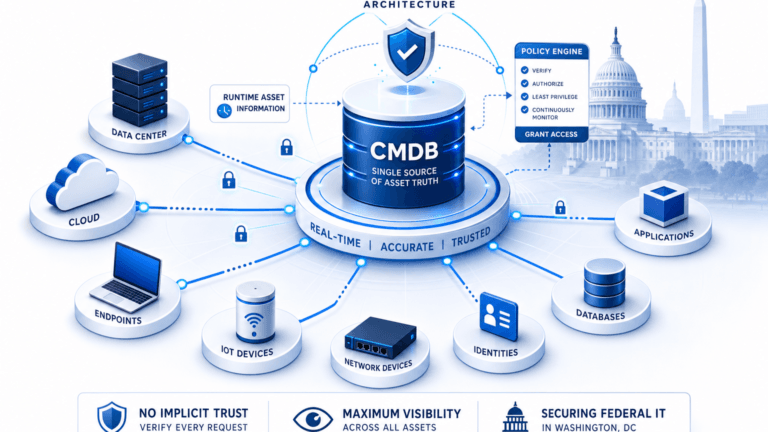
Effective ITSM reporting engines combine real-time operational dashboards with predictive AI analytics, customizable SLA tracking, and multi-source data integration. However, reporting accuracy depends directly on CMDB data freshness, as stale asset dependency records lead to incorrect root-cause and availability metrics.
Top ITSM Software Platforms for Advanced Reporting Compared
The leading ITSM platforms approach reporting and analytics through distinct architectural models, ranging from enterprise-grade BI engines to embedded, out-of-the-box reporting modules.
1. ServiceNow (Performance Analytics)
Overview: ServiceNow remains the benchmark for enterprise ITSM, offering Performance Analytics as an advanced module for tracking historical trends, forecasting metrics, and aligning IT operations with CSDM (Common Service Data Model) standards.
Reporting Strengths: Deep KPI tracking, automated drift detection, and executive-level dashboard customization across multi-departmental workflows.
The Data Dependency: ServiceNow Performance Analytics relies heavily on accurate CMDB data. If CI relationships drift, service health reporting and automated impact analysis become unreliable.
2. Jira Service Management (Atlassian Analytics)
Overview: Jira Service Management (JSM) leverages Atlassian Analytics to unify engineering, DevOps, and IT service data into consolidated visualization dashboards.
Reporting Strengths: Seamless SQL-based customization, cross-workspace reporting across Jira Software and JSM, and flexible velocity tracking for agile IT teams.
The Data Dependency: JSM’s asset and reporting modules require structured schema definitions to maintain accurate dependency context across hybrid cloud environments.
3. Ivanti Neurons for ITSM
Overview: Ivanti integrates predictive analytics and self-healing automation into its ITSM suite, prioritizing endpoint security metrics and automated patch compliance reporting.
Reporting Strengths: Strong endpoint posture visibility, pre-built SLA compliance reports, and proactive operational telemetry.
The Data Dependency: Comprehensive reporting across complex IT estates requires continuous agentless and agent-based discovery to keep asset counters accurate.
4. HaloITSM
Overview: HaloITSM has gained significant market momentum among mid-market enterprises and MSPs due to its all-inclusive licensing model and highly responsive native reporting engine.
Reporting Strengths: Out-of-the-box reporting templates, fast SQL query execution, and intuitive dashboard creation without expensive add-on modules.
The Data Dependency: HaloITSM benefits significantly when paired with an authoritative, multi-source CMDB to feed accurate asset and service topology into its reports.
5. Xurrent (formerly 4me)
Overview: Xurrent is architected specifically for multi-provider service management, offering real-time cross-organizational analytics across internal teams and external vendors.
Reporting Strengths: Native cross-enterprise SLA tracking, transparent vendor performance metrics, and zero-data-lag reporting architecture.
The Data Dependency: Multi-vendor service reporting requires normalized asset and service mapping data to prevent reporting discrepancies.
6. Hornbill
Overview: Hornbill delivers a code-free ITSM platform with automated workflow design and real-time operational reporting designed for rapid deployment.
Reporting Strengths: Built-in visual report builders, automated email reporting schedules, and low administrative maintenance overhead.
The Data Dependency: Requires clean asset inventory feeds to ensure ticket categories align accurately with deployed infrastructure CIs.
The Missing Link in ITSM Reporting: Grounding Analytics in Runtime Truth
ITSM reporting engines do not generate operational data in isolation; they visualize the state of your IT environment. When an ITSM report indicates a 99.9% service availability metric, that number is only as trustworthy as the underlying asset dependency map.
According to Gartner Research, global IT spending is projected to reach $6.31 trillion in 2026, driving unprecedented complexity across hybrid cloud and multi-vendor estates. When change records and asset discovery operate in silos, ITSM reporting engines reflect outdated infrastructure states.
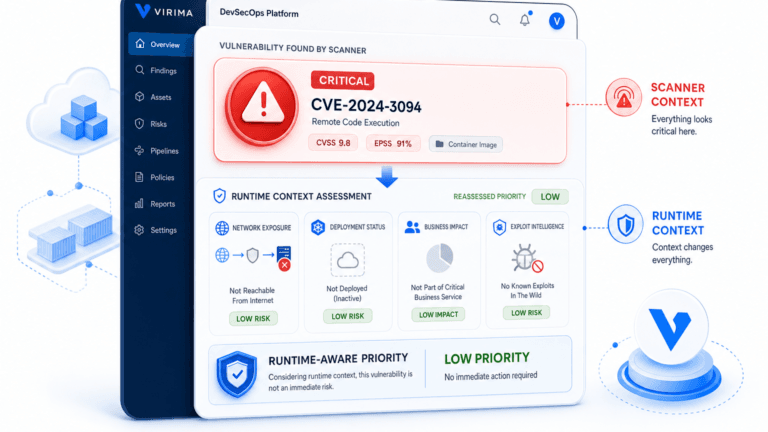
Virima closes this reporting gap by delivering Trusted Runtime Truth. By feeding live, discovery-sourced CMDB records and ViVID™ service mapping directly into your ITSM platform, Virima ensures your reporting dashboards reflect real-time operational context.
How does Virima improve ITSM reporting accuracy?
Virima provides multi-source discovery and dynamic ViVID™ service maps that feed live, reconciled CI data into ITSM reporting engines. This eliminates data drift and ensures executive dashboards reflect accurate service dependencies, active changes, and true business impact.
Summary Comparison Matrix: ITSM Reporting Capabilities
| ITSM Platform | Primary Reporting Strength | Target Organization Size | Virima CMDB Integration Support |
|---|---|---|---|
| ServiceNow | Enterprise Performance Analytics & CSDM alignment | Large Enterprise (2,000+ employees) | Native 2-way sync feeds reconciled CMDB & ViVID™ maps |
| Jira Service Management | Atlassian Analytics & cross-DevOps visualization | Mid-Market to Enterprise (500+ employees) | Bi-directional asset sync and dependency mapping |
| Ivanti Neurons | Predictive endpoint telemetry & patch posture | Enterprise & Security-focused IT | Direct CMDB integration & multi-source discovery feed |
| HaloITSM | Out-of-the-box speed & custom SQL dashboards | Mid-Market & MSPs (100-2,000 employees) | Complete CMDB feed and automated service topology sync |
| Xurrent | Multi-vendor SLA & cross-enterprise analytics | Global Enterprise & SIAM organizations | Unified asset attribution and service map integration |
| Hornbill | Code-free visual report builders & low overhead | Mid-Market & Public Sector | Automated discovery ingestion into Hornbill CMDB |
Elevate Your ITSM Reporting Precision
Selecting the best ITSM software with advanced reporting and analytics requires evaluating both dashboard presentation and data integrity. While leading platforms like ServiceNow, Jira Service Management, Ivanti, HaloITSM, Xurrent, and Hornbill offer powerful reporting engines, grounding those reports in live operational context ensures your leadership team makes confident, data-driven decisions.
Schedule a demo with Virima today to see how multi-source CMDB discovery and ViVID™ service mapping power accurate, executive-ready ITSM reporting across your entire IT estate.