The Hidden Dependency Trap in Cyber Resilience: Mapping the Minimum Viable Recovery Estate

When a statewide network outage struck on August 24, 2025, public infrastructure teams discovered that rebuilding enterprise systems involves much more than restoring virtual disk images. An after-action report published by the Nevada Governor’s Technology Office revealed that the incident disrupted services across more than sixty agencies, took approximately twenty-eight days to reach substantial restoration, and saw adversaries actively attempt to delete or impair backup copies prior to encryption. Among the central operational lessons documented in the briefing was an urgent mandate to improve asset and dependency awareness across interdependent government systems.
Most traditional recovery plans maintain an exhaustive registry of production servers, yet remarkably few document the hidden underlying services that each business system relies on to function. When enterprise infrastructure comes under coordinated cyberattack, teams quickly discover that cyber resilience dependency mapping dictates recovery success far more than the raw speed of backup appliances. Upcoming industry sessions such as Commvault’s presentation on Resilience Operations at the Gartner IT Infrastructure, Operations and Cloud Strategies Conference explore whether critical workloads can recover cleanly, rapidly, and provably. The technical dependency structure underlying those critical workloads represents a foundational operational prerequisite that organizations must solve well before an incident unfolds.
What is cyber resilience dependency mapping?
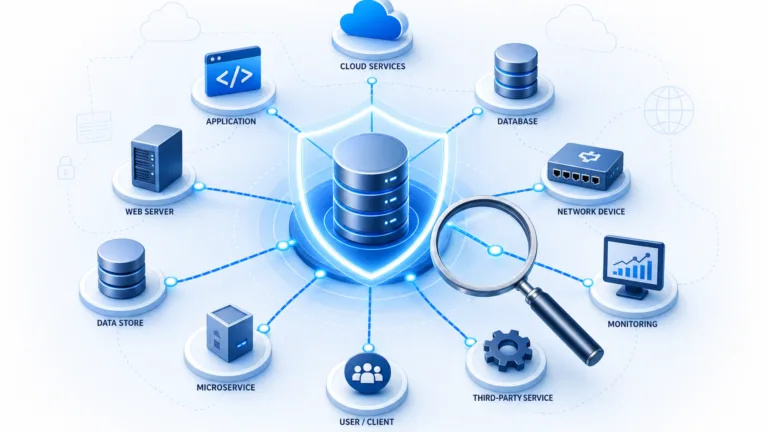
Cyber resilience dependency mapping identifies and documents every underlying technical relationship, including directories, certificates, domain resolution, and shared databases, required to successfully boot and run essential business services during an untrusted environment recovery.
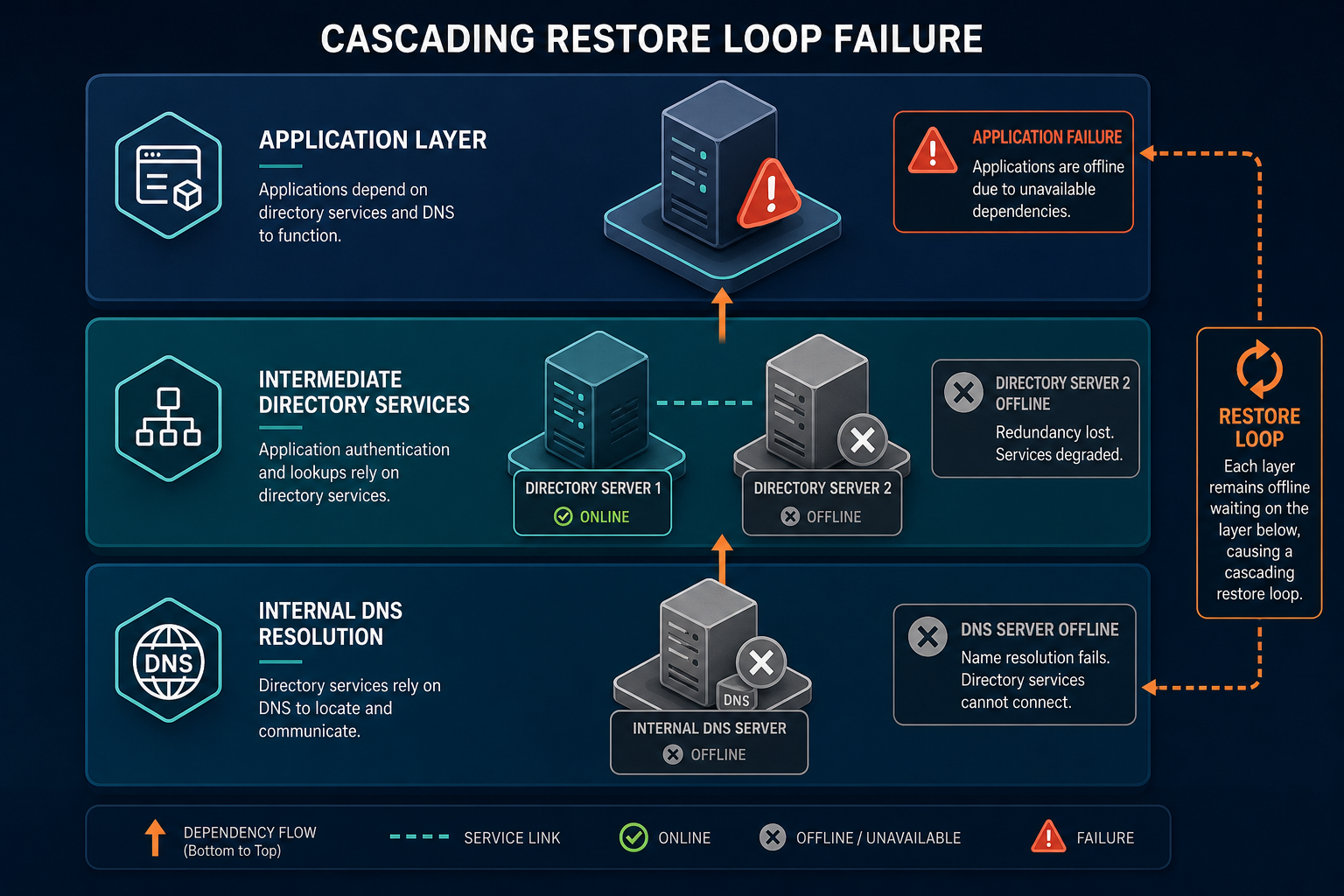
What Is a Restore Loop?
A restore loop describes a condition where a recovered application immediately fails, crashes, or reboots because an upstream technical prerequisite remains offline or restored in an incompatible state. Infrastructure engineers often provision virtual machines successfully from clean storage, only for application processes to terminate within seconds. These failures rarely stem from corrupted binaries. Instead, they occur because the host cannot resolve a local hostname, establish a secure socket connection, or locate an authentication server.
The operational consequence of a restore loop is severe. Engineering teams waste valuable hours troubleshooting application logs, mistakenly assuming the restored image was compromised or damaged during replication. In reality, the recovery sequence violated an unrecorded technical hierarchy.
| Infrastructure Tier | Example Prerequisite Dependency | Operational Failure Mode During Restore Loop |
|---|---|---|
| Application Layer | Connection string pointing to internal API gateway | Service crashes on startup due to unresponsive upstream middleware. |
| Database Tier | Network storage mount and volume write permissions | Database engine enters read-only emergency state and disconnects client connections. |
| Identity & Access | Domain controllers, Kerberos endpoints, LDAP directories | Application services fail authentication and refuse incoming administrative sessions. |
| Name Resolution | Internal Domain Name System (DNS) forwarders and split-brain zones | Clustered nodes fail to discover peer members, halting quorum consensus. |
| Security & Trust | Internal root certificates and active intermediate revocation lists | Transport Layer Security handshakes terminate before transmitting payload data. |
| Storage Fabric | Storage area network fabric zoning and logical unit numbers | Hypervisor hosts cannot mount underlying datastores to register virtual machines. |
| Virtualization Tier | Clustered management appliances and distributed virtual switches | Virtual machine instances boot without network interface assignment. |
Unmanaged certificates represent one of the most common causes of unpredicted recovery failures. If an application requires a valid cryptographic chain to communicate with local services, missing intermediate authorities will halt processing. Reviewing your broader certificate management strategy helps prevent internal trust chains from breaking during automated system reboots. Every skipped dependency row in this matrix introduces an unscheduled troubleshooting cycle that stalls critical recovery operations.
Cyber Recovery Is Not Disaster Recovery With a Different Cause
Many enterprise disaster recovery programs assume that secondary recovery targets provide an uncompromised, pristine environment ready for seamless workload migration. Traditional business continuity planning prepares for physical facility damage, power disruptions, hardware failures, or localized natural events. In those scenarios, the underlying configurations, databases, network routes, and administrative credentials remain fully trusted.
A coordinated ransomware intrusion invalidates every standard operational premise of traditional business continuity planning.
| Recovery Planning Dimension | Traditional Disaster Recovery | Untrusted Cyber Recovery |
|---|---|---|
| Infrastructure Trust Baseline | Assumes underlying infrastructure, firmware, and directories remain secure. | Assumes all directory trees, hypervisors, and administrative credentials are suspect. |
| Backup Integrity | Focuses on recovery point age and tape or replication storage throughput. | Anticipates deliberate adversary attempts to corrupt, poison, or wipe snapshots. |
| Failover Destination | Redirects traffic to hot or warm secondary data centers over existing networks. | Mandates isolated clean rooms to analyze, patch, and validate workloads before reintegration. |
| Sequence Decision Authority | Driven by static Business Impact Analysis recovery time tier lists. | Dictated by runtime infrastructure topology and strict cross-service prerequisites. |
| Verification Requirements | Confirms transaction consistency, data volume alignment, and application latency. | Requires forensic scanning, malware verification, and credential rotation before network re-entry. |
Why the Old Plan Breaks
Traditional disaster recovery strategies rely on warm failover sites that mirror corporate production networks. During an active malware campaign, failing over to a live mirrored site often spreads active lateral infection across WAN links. Adversaries routinely target enterprise backup catalogs, active domain controllers, and automation frameworks weeks before detonating visible payloads.
Standard recovery automation scripts that launch parallel restarts across all servers simultaneously create massive resource contention while propagating compromised credentials. When system infrastructure cannot be assumed clean, the focus shifts from blind speed to forensic isolation.
Why Order Matters More
In an untrusted operating environment, the technical sequencing of platform restoration determines whether systems stay operational. Identity directories, credential vaults, and core domain services must precede business logic engines. If an enterprise launches enterprise resource management engines before establishing dedicated key management services, cryptographic drivers will fail to decrypt attached database volumes.
Organizations that evaluate disaster recovery planning with service mapping quickly recognize that recovery sequencing requires structured topological clarity rather than informal operational memory.
Verify your infrastructure dependencies before an incident forces an emergency rebuild
Discover how authoritative runtime dependency records provide the structural visibility needed to sequence clean recoveries.
Mapping the Minimum Viable Recovery Estate
Restoring an enterprise to full operational capacity after a severe breach takes weeks, as municipal and enterprise recovery timelines nationwide show. Organizations cannot bring hundreds of business systems back concurrently within an isolated clean-room environment. Leadership teams must define what industry analysts call a minimum viable company estate.
This recovery baseline comprises the absolute minimum collection of core digital services required to fulfill essential obligations, maintain financial compliance, and communicate with external stakeholders.
Name the Services
The business leadership team must define minimum operational services rather than leaving prioritization to infrastructure tools. Executive management establishes which critical workflows must operate during the initial seventy-two hours of emergency response. These typically include customer transaction processing, core payroll generation, and regulatory reporting channels.
Cataloging these prioritized service outcomes provides clear boundaries for the engineering team.
Walk the Chain Downward Across Tiers
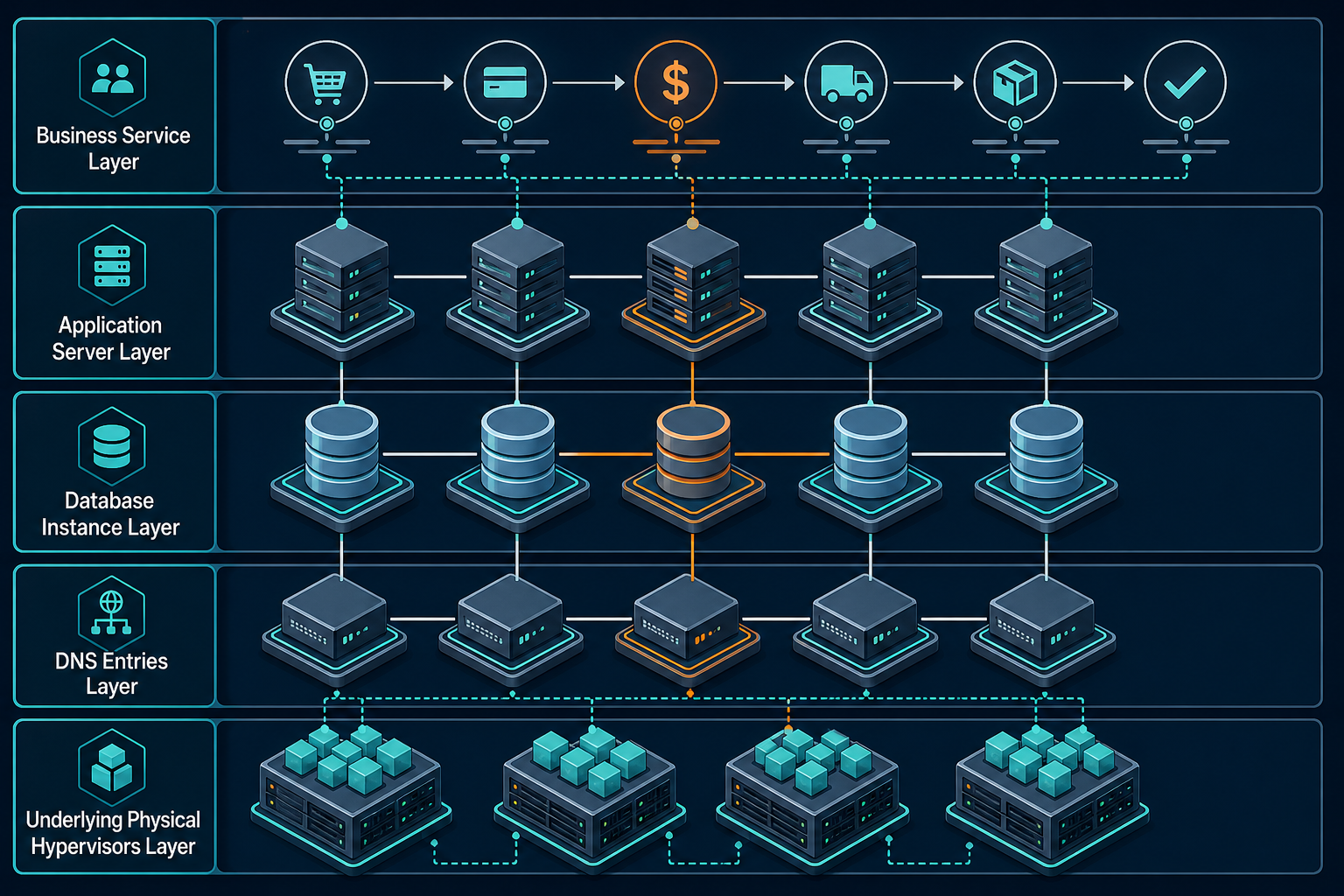
Once critical services are named, architecture teams must trace every technical dependency downward across the operating stack. A single customer portal relies on microservice load balancers, application hosting runtimes, relational database clusters, storage volumes, directory authentication paths, and hypervisor management controllers.
| Architecture Tier | Technical Attribute to Record | Functional Asset Owner | Authoritative Discovery Source |
|---|---|---|---|
| Business Service | Critical transaction pathways and customer data flows | Business Operations Unit Owner | Business Service Management Mapping |
| Application Runtime | Process instances, listening ports, and runtime environment versions | Platform Engineering Lead | Scheduled Operating System Discovery |
| Database Cluster | Instance identifiers, schemas, and storage volume mappings | Database Administration Team | Database Host and Storage Integration |
| Identity & Trust | Active Directory forests, single sign-on trusts, certificates | Enterprise Security Architecture | Directory Audits and Certificate Sweeps |
| Network Fabric | Ingress access control rules, virtual routing instances, DNS zones | Network Operations Team | Switch, Router, and Cloud VPC Discovery |
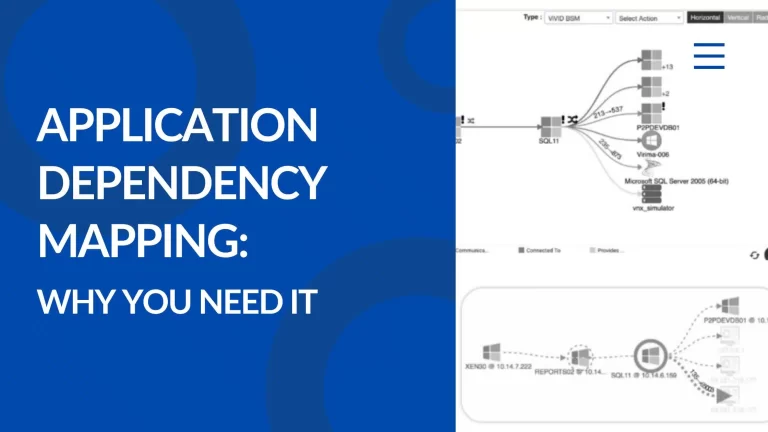
Enterprise discovery platforms capture these structural relationships methodically. Utilizing automated application dependency mapping tools creates an explicit blueprint that replaces undocumented tribal assumptions during crisis remediation.
Mark Shared Services and Their Owners
Many independent business applications share common technical infrastructure components. A centralized Microsoft SQL Server cluster or unified Active Directory forest frequently supports dozens of distributed applications across separate divisions.
Recovery runbooks must document shared infrastructure owners explicitly. If two business teams attempt to recover different systems that point to the same shared service, engineers must determine which service account or schema updates take precedence.
Set the Restore Order
The restore sequence follows technical dependencies strictly from the bottom upward. Network segregation and clean-room host environments come online first. Core identity providers, certificate validation endpoints, and internal domain name resolution services follow immediately.
Database clusters and message brokers boot only after underlying networks and directory trusts operate reliably. Business applications boot last, connecting cleanly to fully operational infrastructure layers.
Record the Date
Dependency records change continuously as development teams deploy patches, introduce middleware components, and adjust network routes. Every dependency mapping relationship must include a verified last-seen timestamp.
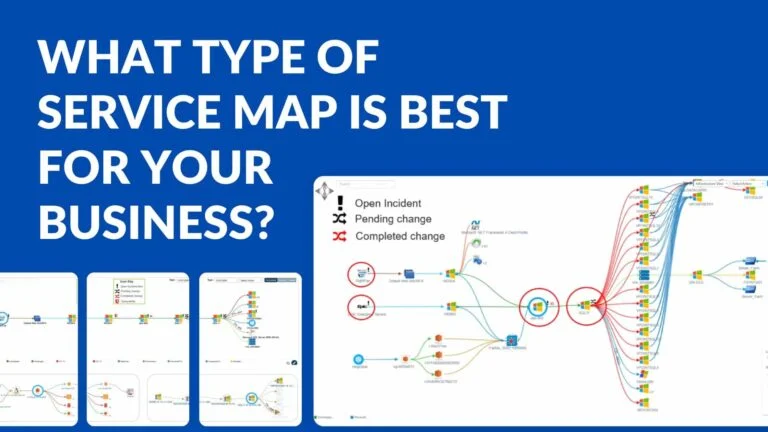
Knowing the exact date a relationship was discovered gives incident commanders confidence that the architecture map represents current production realities rather than obsolete system configurations. Leveraging dynamic ViVID service mapping capabilities converts static asset inventories into actionable, contextual views of operational workloads.
Teams looking to modernize their recovery topologies can explore the dedicated service mapping feature to understand how multi-source data models capture complex enterprise relationships.
Where a Dependency Map Fails During Recovery
Automated dependency mapping delivers immense operational value, but recovery architects must understand the explicit boundaries of scheduled discovery technology. Relying on false assumptions regarding tool capabilities during a live disaster introduces significant operational vulnerabilities.
- Scheduled discovery cycles reflect periodic point-in-time state: High-frequency discovery operations capture infrastructure configurations during assigned execution windows. Ephemeral cloud workloads or network changes introduced between discovery cycles will not appear on static visual topologies.
- Third-party software ecosystems remain closed to internal discovery: Enterprise mapping platforms cannot inspect internal multi-tenant architectures inside external Software as a Service providers or proprietary third-party hosted systems. External application dependencies must be documented through contractual and architectural agreements.
- Manual human procedures remain unmapped by software probes: Physical failover switches, out-of-band administrative hardware keys, paper-based authorization gates, and external telephony channels exist completely outside automated discovery networks.
- Compromised estates can reflect malicious modifications: If an adversary altered domain routing tables, created rogue service accounts, or established persistence mechanisms, an unverified discovery scan will faithfully record those unauthorized modifications as legitimate infrastructure components.
- Internal management servers may be unavailable when needed most: Storing your dependency map exclusively inside the primary corporate network means you cannot access the blueprint when ransomware encrypts local hypervisors. Infrastructure teams must export dependency configurations via secure API pipelines to an isolated, immutable storage repository outside the production blast radius.
When a discrepancy arises between an emergency runbook and a discovery map during an incident, engineers must verify network connectivity before making configuration changes. Treating the dependency map as a verified technical record rather than an absolute truth prevents unexpected operational errors.
A Pre-Incident Dependency Review Agenda
Organizations should not test dependency architectures during a live operational emergency. Business continuity leaders must establish structured quarterly dependency audits to validate recovery assumptions systematically.
- Select three critical business services: Convene business operations, security operations, and infrastructure engineering leaders to focus on the top tier of the minimum viable recovery estate.
- Reconcile live discovery records against written runbooks: Compare automated dependency records against written emergency recovery documents to identify undocumented servers, decommissioned databases, or modified network ports.
- Validate operational asset ownership: Confirm that every named server, service account, and network route has an assigned, active technical contact who understands its recovery role.
- Simulate restore sequencing inside an isolated clean room: Spin up test workloads from clean backups within an isolated network sandbox to verify that application services connect cleanly without external dependencies.
- Log discrepancies and record remediation timelines: Document every missing intermediate certificate, unlisted registry entry, or broken connection string as a technical remediation ticket with an assigned completion date.
To measure progress over time, tracking internal operational readiness metrics provides quantitative visibility into recovery risk:
Auditing these interdependencies proactively eliminates the guesswork that typically paralyzes recovery teams. Understanding how unmapped system relationships cause operational delays reflects the same principles explored in our analysis of change advisory board blast radius, where comprehensive dependency insight replaces tribal assumptions.
Virima Gives Recovery Planners a Dependency Record to Work From
Building a resilient cyber recovery framework requires clear operational boundaries between discovery intelligence and backup platforms. Virima operates upstream from disaster recovery tools, providing authoritative visibility into configuration items, infrastructure interdependencies, and operational ownership.
| Operational Capability | Provided Upstream by Virima Discovery and CMDB | Managed by Dedicated Backup and Recovery Platforms |
|---|---|---|
| Infrastructure Topology Records | Discovers detailed configuration items with verified discovery source dates. | Consumes topology records to prioritize volume restoration order. |
| Service Relationship Blueprints | Visualizes complex multi-tier dependencies through ViVID™ service maps. | Executes image restores to isolated clean rooms or secondary clouds. |
| Asset and Operational Ownership | Maintains ITAM ownership records, business service links, and lifecycle metadata. | Manages operational role access controls for recovery console access. |
| Change and Impact Overlays | Correlates recent infrastructure modifications with underlying configuration items. | Analyzes backup file versions for unexpected encryption activity. |
| Ecosystem Data Integration | Synchronizes two-way configuration records with enterprise IT service platforms. | Triggers programmatic automated restore sequences through workflow APIs. |
| Out-of-Band Data Portability | Supports automated REST API configuration exports to external secure storage. | Maintains air-gapped, immutable write-once recovery repositories. |
Virima equips disaster recovery coordinators, infrastructure directors, and chief information officers with verified technical records. Rather than guessing which services depend on legacy database clusters, engineering teams reference clear, multi-source discovery records.
Exploring the broader discovery feature helps enterprise teams maintain comprehensive visibility across on-premises data centers and hybrid cloud platforms. These discovery capabilities integrate with broader governance workflows detailed in our guide to ITAM security, establishing structural baseline accuracy across all connected assets.
When your organization coordinates with enterprise service management platforms, Virima centralizes asset data through our integrated ITSM integrations hub, maintaining bidirectional accuracy across ServiceNow, Jira Service Management, Ivanti, and HaloITSM.
Questions to Ask Your Recovery Team and Vendors
Evaluating enterprise recovery readiness requires asking targeted technical questions that expose hidden infrastructure blind spots before an incident occurs.
| Critical Evaluation Question | What a High-Maturity Answer Looks Like | Red Flag Warning Signs |
|---|---|---|
| Which business services constitute our minimum viable recovery estate? | “Leadership has documented the eight essential customer-facing services that must restore within seventy-two hours.” | “Our recovery plan treats every virtual machine in the primary cluster as equal priority.” |
| Where does the infrastructure dependency record live during a full outage? | “Automated daily discovery exports sync via encrypted REST API pipelines to an air-gapped cloud vault.” | “The system topology map lives exclusively on our internal intranet wiki server.” |
| When did engineering last validate the complete dependency chain for Tier-1 apps? | “All Tier-1 application topologies completed automated discovery validation within the last thirty days.” | “We documented the database connection strings during the initial system implementation three years ago.” |
| Who owns directory services and network resolution during clean-room validation? | “A dedicated identity recovery team manages isolated domain controllers and certificate authorities in the clean room.” | “Application teams spin up their own authentication configurations as needed during restore testing.” |
| Can the recovery team view the multi-tier restore order on a single screen? | “Our platform visualizes the complete stack topology, highlighting upstream prerequisites and asset owners.” | “Engineers must correlate data across multiple separate spreadsheets to verify connection ports.” |
Preparing Your Operational Estate for Cyber Resilience
Building a reliable recovery capability requires continuous collaboration between security operations, platform engineering, and business continuity leadership. Organizations preparing their digital estates for complex operational challenges can connect with our solutions team at upcoming industry forums, including the Gartner IT Infrastructure, Operations and Cloud Strategies Conference, where Virima will demonstrate advanced service mapping and discovery architectures at Booth 645.
To evaluate how automated asset discovery and dynamic dependency mapping strengthen your organization’s resilience posture, schedule an enterprise demo with Virima today.
What is a minimum viable recovery estate?
A minimum viable recovery estate represents the smallest collection of mission-critical applications, shared services, and underlying infrastructure needed to resume essential business operations safely during an untrusted environment recovery.
How does dependency mapping help ransomware recovery?
Dependency mapping identifies technical prerequisites, including identity directories, certificate servers, and database tiers, allowing recovery teams to sequence system restoration accurately and prevent failed reboot cycles.
What is a restore loop?
A restore loop occurs when a restored application crashes repeatedly upon startup because upstream prerequisites, such as domain name resolution, cryptographic trust chains, or database ports, remain offline or unreachable.
How is cyber recovery planning different from disaster recovery?
Disaster recovery assumes secondary infrastructure and administrative credentials remain completely trustworthy, whereas cyber recovery assumes production systems and directories are compromised, requiring isolated clean-room validation before network reconnection.
Does Virima replace backup and recovery tools?
Virima does not perform data backup, system restoration, or malware isolation. Instead, it operates upstream to deliver authoritative configuration records, dynamic dependency maps, and asset ownership data that guide recovery sequencing.