Governed Autonomous Service Delivery: Putting Policy Guardrails Around Self-Service Workflows

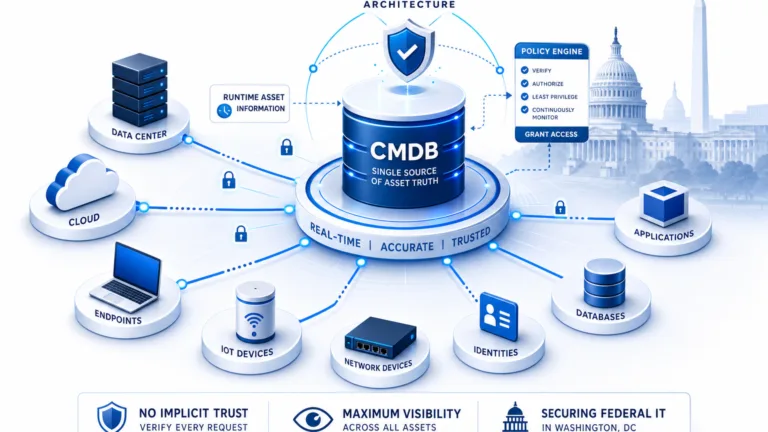
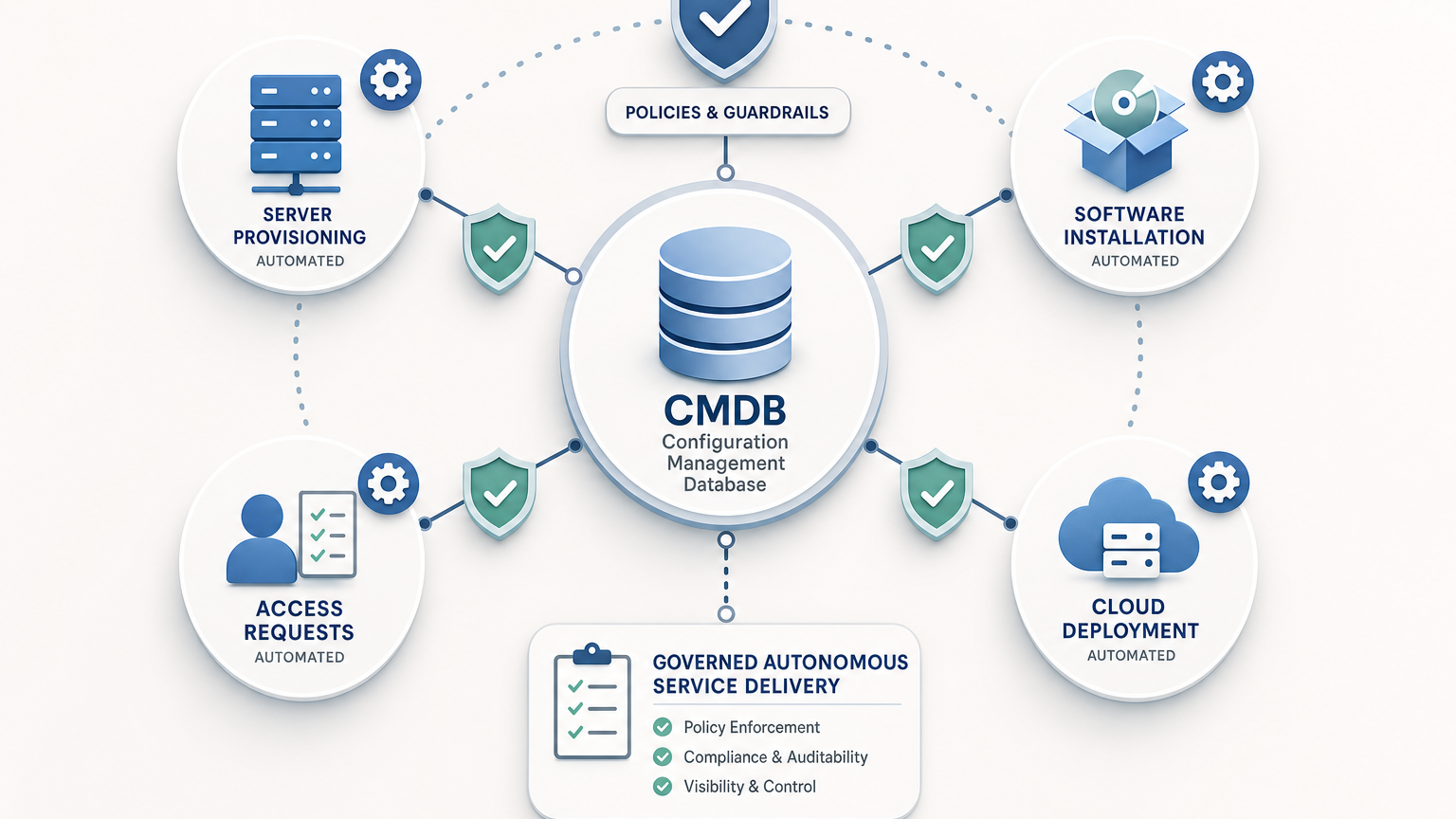
A service catalog request can provision a server, install software, or grant access before anyone checks the applicable rules. Each unchecked request widens the gap between the estate and the configuration management database (CMDB) that is supposed to track it. Governed autonomous service delivery closes that gap: every automated action is checked against the CMDB before it runs and written back after it finishes. The CMDB holds configuration items (CIs), lifecycle status, and owners, so it is the record those checks read.
Adoption is already ahead of policy. A SailPoint survey of 353 IT and security professionals, run by Dimensional Research and published in May 2025, found that 82 percent of organizations use AI agents. Only 44 percent report policies to secure them. That survey covers securing agents, and service delivery teams face a similar gap between what automation can do and what is checked first.
Halo will present on 8 December at the Gartner IT Infrastructure, Operations & Cloud Strategies Conference (IOCS) on how Halo customers use digital workers to automate service workflows. The word “governed” comes from the session title. The guardrail and data view in this article are Virima’s own reading. A guardrail is a rule, and a rule needs data to check against.
What unchecked self-service automation drift looks like
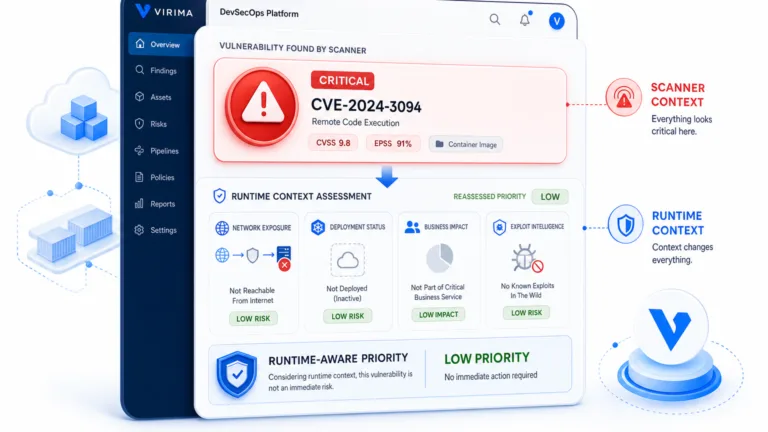
Self-service automation drift is Virima’s working term for the gap that opens when automation changes the estate, and nothing checks the request beforehand or updates the record afterward. Each unchecked catalog request can widen that gap. The table shows where the gap appears for common requests.
| Request type | What the automation does | What nobody checked | What the record shows afterward |
|---|---|---|---|
| New server or cloud resource | Provisions the resource and closes the ticket | Whether the target platform version is still supported | No CI, or a CI with no owner |
| Software install | Pushes the package to the requester’s device | Whether any license remains for that product | Installs exceed recorded entitlements |
| Access request | Grants the role to the requester | Whether the target system is in scope for that role | An access path the CMDB does not show |
| Device refresh | Ships a new device and marks the old one returned | Whether the old device still hosts a service | A retired CI that is still running |
| Decommission | Powers off the host | Which services depend on that host | Orphaned dependencies pointing at nothing |
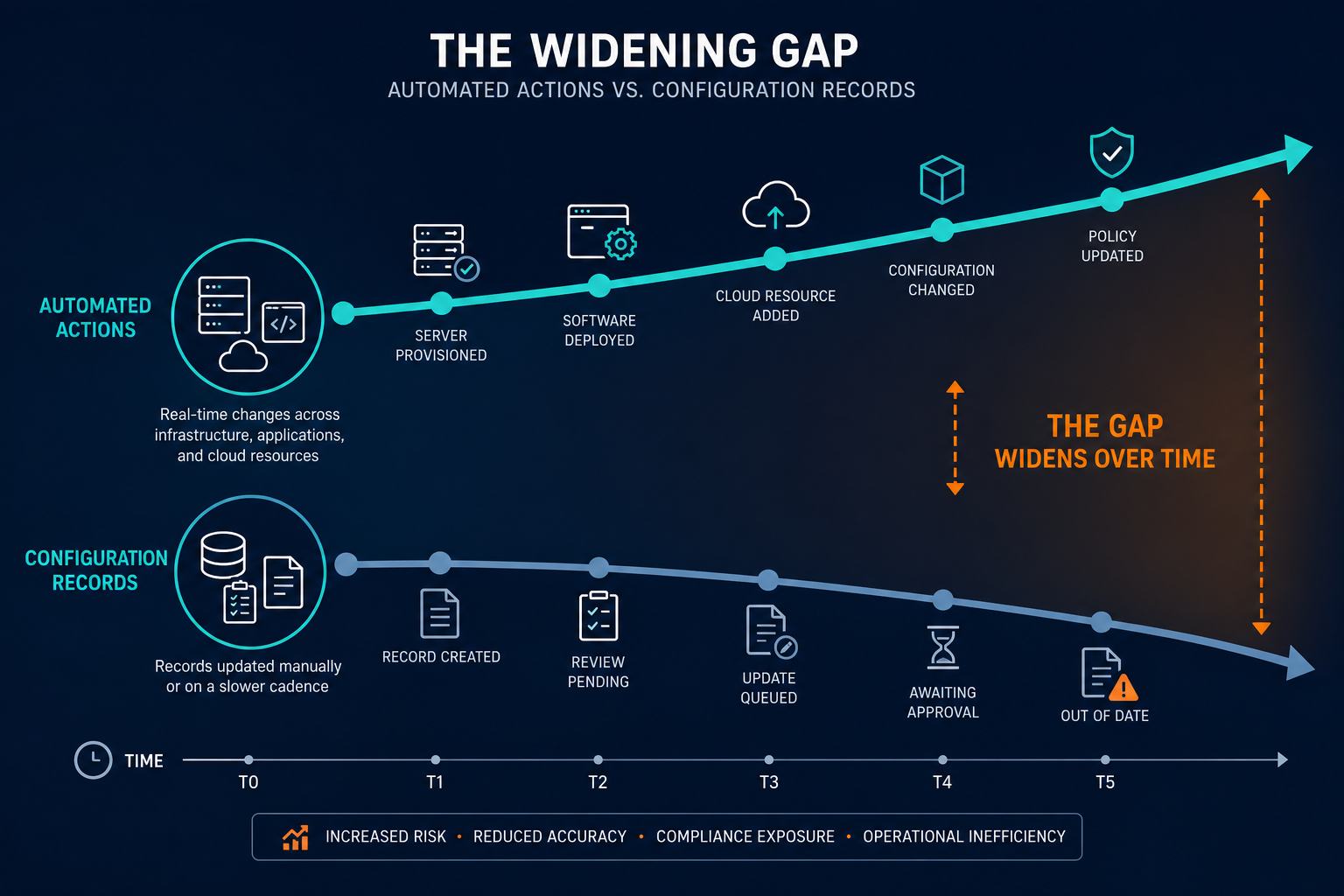
Every row follows the same pattern. The workflow reports success, but the record does not match the estate. The next request then reads the stale record, which widens the gap further. Teams that run their own self-service portal can apply the same table to their catalog.
Three checks before a catalog request is fulfilled
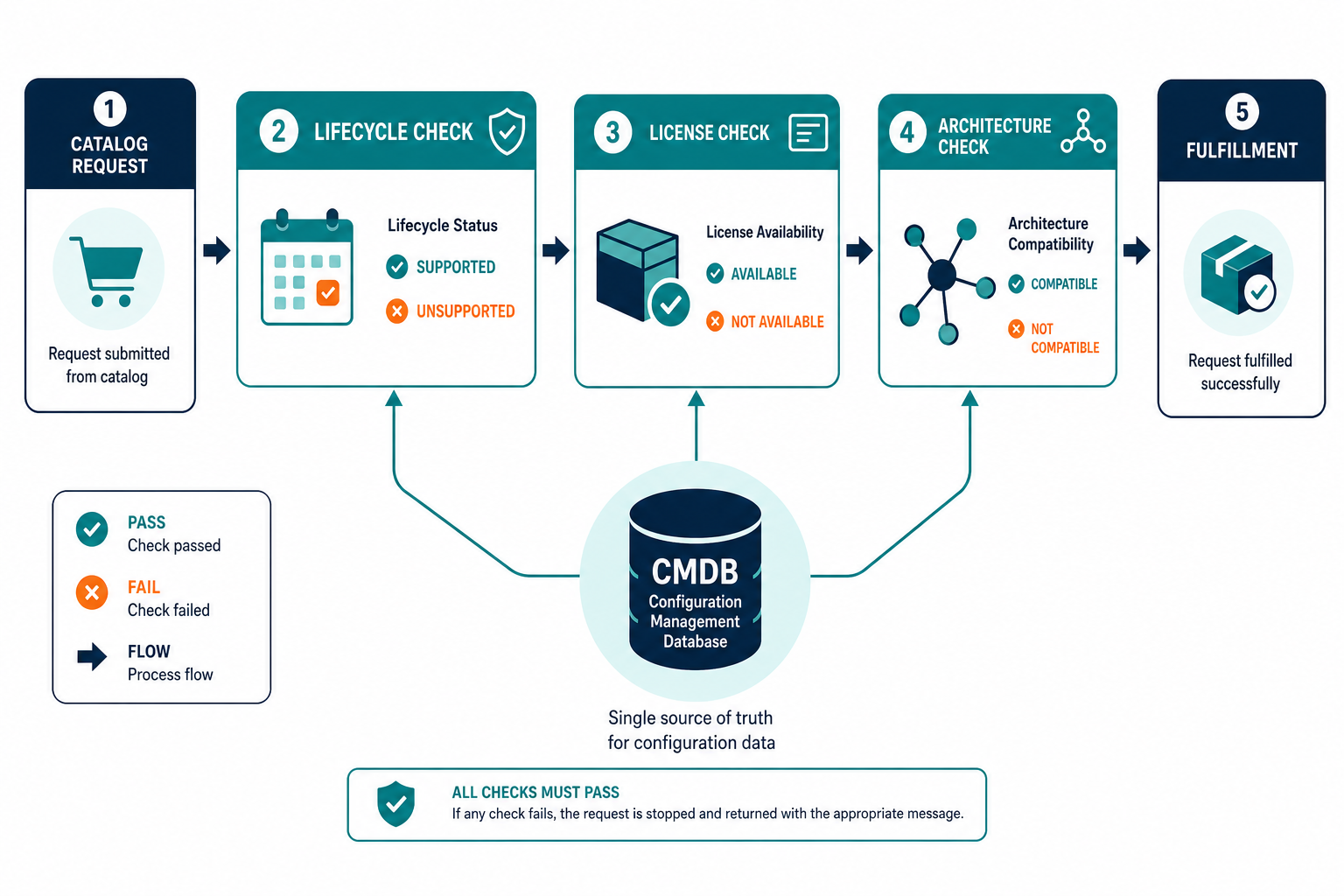
Three checks address lifecycle policy, license thresholds, and architecture constraints. Each check reads a specific field, and each field needs an owner.
Is the item in a supported lifecycle state?
Every asset and software version carries a lifecycle label, such as planned, active, end of support, or retired. The service delivery team sets the policy that says which labels may be fulfilled automatically. A request for a version labelled end of support goes to a human instead of straight to fulfillment. Someone on the team has to name the policy owner, because the label is only as current as the person who sets it.
Is there a license left?
Software entitlements recorded against actual installs give a catalog the answer to a simple question: does a license remain? Virima’s IT asset management records entitlements, ownership, and lifecycle status, and discovery records what is installed. When the two disagree, the check can pause the request. Purchasing, true-ups, and contract terms stay with the finance and procurement teams.
Does the target fit the architecture?
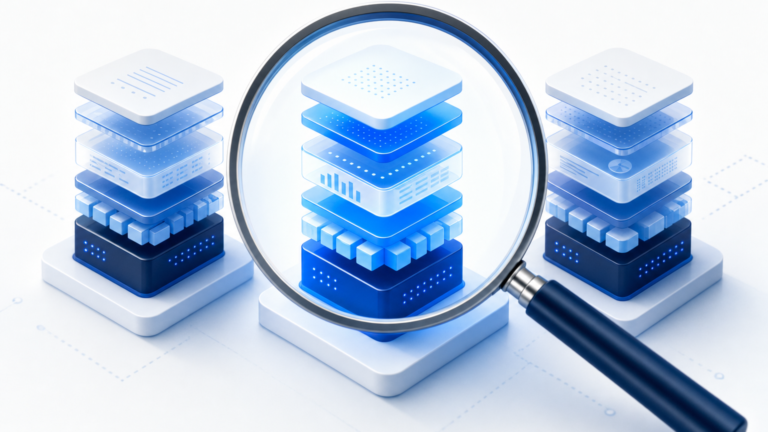
A new item connects to something. Before a catalog fulfills a database request, the workflow can ask what applications read from that environment and whether the new item breaks a rule, such as keeping production and test apart. The answer comes from ViVID™ service maps, which show what each item connects to.
| Check | Question | Field the record must hold | Who owns the rule | Who owns the data |
|---|---|---|---|---|
| Lifecycle | Is this version supported for new fulfillment? | Lifecycle status and the date it was set | Service delivery | CMDB or ITAM owner |
| License | Does an entitlement remain for this product? | Entitlement count and installs found | ITAM manager | ITAM owner |
| Architecture | Does the target fit its environment and dependencies? | Environment label and service relationships | Architecture or platform team | CMDB owner |
The write-back check after fulfillment
Once automation acts, the record has to change. If it does not, the next request is checked against stale data, and the guardrails read a picture that is already wrong.
Scheduled discovery finds what changed on the estate. The workflow then compares that finding with what it said it did. A request that reported a new server should be matched by a discovered server, with an owner and a lifecycle label attached. A mismatch goes to a named owner, who decides whether the record or the workflow is wrong. That decision is only as good as how often discovery runs. A scheduled run sees the estate at the moment it runs. A change made and reversed between two runs does not appear in the record. Teams can schedule discovery more frequently for services where stale records present greater risk. The ViVID™ service maps then show which dependencies moved with each change.
The write-back check applies to actions approved through the catalog. Resources spun up by machines outside the catalog need their own reconciliation, and that is a separate problem from the one covered here.
Who owns the guardrail?
Governed autonomous service delivery only works if each guardrail has a named owner. A guardrail has four owners, and a single named person can hold more than one role.
- The policy owner, usually in service delivery, writes the rule and decides which labels and thresholds apply.
- The data owner, usually the CMDB or ITAM owner, keeps the fields the rule reads accurate.
- The automation owner builds and maintains the workflow that calls the check.
- The approver is the human who reviews requests the rule does not clear.
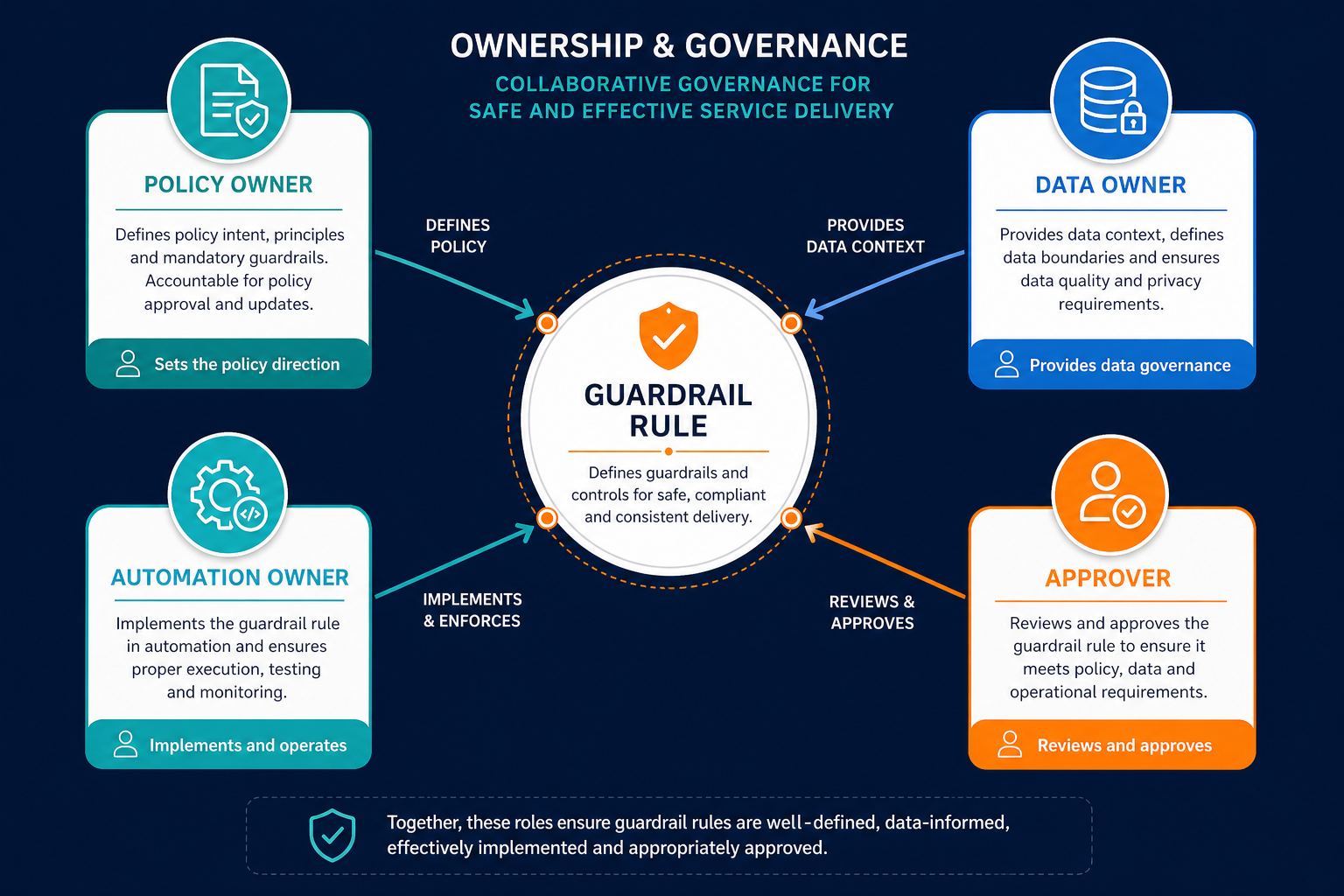
Approval thresholds decide which actions run alone and which wait for a person. Teams can allow low-risk, reversible actions to run automatically while routing higher-risk actions to human approvers. Each team should document its thresholds and assign responsibility for reviewing them.
A good answer to “who approved this automatically” shows three items: the rule that applied, the record the check read, and the date it read it. The date helps establish whether the record was current when the workflow checked it. ITAM security practices cover how to keep that audit trail protected.
Virima gives governed autonomous service delivery a record to check
The CMDB is the record that workflows in HaloITSM and other platforms read. Virima keeps that record reconciled through scheduled discovery, producing discovery-sourced ground truth where each CI carries its source and last-seen date. CMDB guardrails for automation start with a record workflows can check against: lifecycle status, entitlement count, and service relationships are the three fields a CMDB needs to support the checks described above.
Virima pairs with HaloITSM and the other platforms on the integrations hub and replaces none of them. Virima passes discovery data, and ViVID™ service maps to HaloITSM, and ViVID™ overlays Halo records such as open incidents and recent or planned changes.
The table separates what Virima supplies from what stays in other systems.
| What Virima supplies | What stays elsewhere |
|---|---|
| Discovery records with source and last-seen date | The policy rules themselves |
| CMDB records with owners and relationships | Approvals and the fulfillment workflow |
| Lifecycle status, ownership, and license entitlement records | Enforcement of a rule in the catalog |
| ViVID™ service maps with ITSM records overlaid | License purchasing and contracts |
| ITSM integrations, including HaloITSM, and a REST API | The digital workers that run the automation |
The limits are worth stating in full:
- Virima does not enforce policy or block a request. The ITSM workflow does that.
- A lifecycle label is the value the team set, and Virima does not retire anything automatically.
- A scheduled record is a snapshot of the estate at the time of the run.
- Software-as-a-service platforms and vendor-hosted systems are outside what discovery can see.
- Virima does not discover or record the AI workers or agents themselves.
For a service delivery manager, the result is a record to point to when someone asks which data a check used. For a CMDB owner, the result is a short list of fields to keep accurate, and each field maps to a named guardrail.
Questions to ask before a catalog fulfills automatically
Use these questions to test any automated catalog item before it runs without a person.
| Question | What a good answer looks like |
|---|---|
| Which record does the check read? | A named CMDB or ITAM field with an owner |
| Who owns the lifecycle rule? | One named role who reviews it on a set schedule |
| What happens when the license count is out of date? | The request pauses and the data owner is notified |
| How is the CMDB updated after fulfillment? | A discovery run confirms the change and flags mismatches |
| Where is an override recorded? | In the ticket, with the approver, the reason, and the date |
| What does the workflow do when the check cannot run? | It routes the request to a human instead of proceeding |
A team that cannot answer one of these questions has found its next guardrail to build.
See governed autonomous service delivery data at Gartner IOCS
Virima will be at Gartner IOCS 2026. Find event details, including booth 645, on the Virima Gartner IOCS 2026 page.
Frequently Asked Questions
What is governed autonomous service delivery?
Governed autonomous service delivery is automated fulfillment of service requests with checks before and after each action. A check reads a record such as lifecycle status or license count, and a named owner can explain who approved the outcome.
What is self-service automation drift?
Self-service automation drift is the gap between what automated fulfillment changed on the estate and what the configuration management database (CMDB) shows. It grows when requests run without a prior check or a write-back after the action.
Which checks should run before an automated catalog request is fulfilled?
Three checks cover most cases: a lifecycle check on the item requested, a license check against recorded entitlements and installs, and an architecture check against the environment and dependencies. Failed checks route to a human approver.
What data does Virima provide for governed AI in service delivery?
Virima provides discovery records with source and last-seen date, CMDB records with owners, IT asset management (ITAM) lifecycle and license data, and ViVID™ service maps. The ITSM platform keeps the rules and enforcement.
Does Virima work with HaloITSM?
Yes. Virima discovery and ViVID™ service maps pair with HaloITSM, and ViVID™ overlays Halo records such as open incidents and recent or planned changes. Virima complements Halo and replaces none of its workflows.