100+ Tech Giants Just Issued a Cyber Defense Mandate. Here’s What Every Organization Needs First

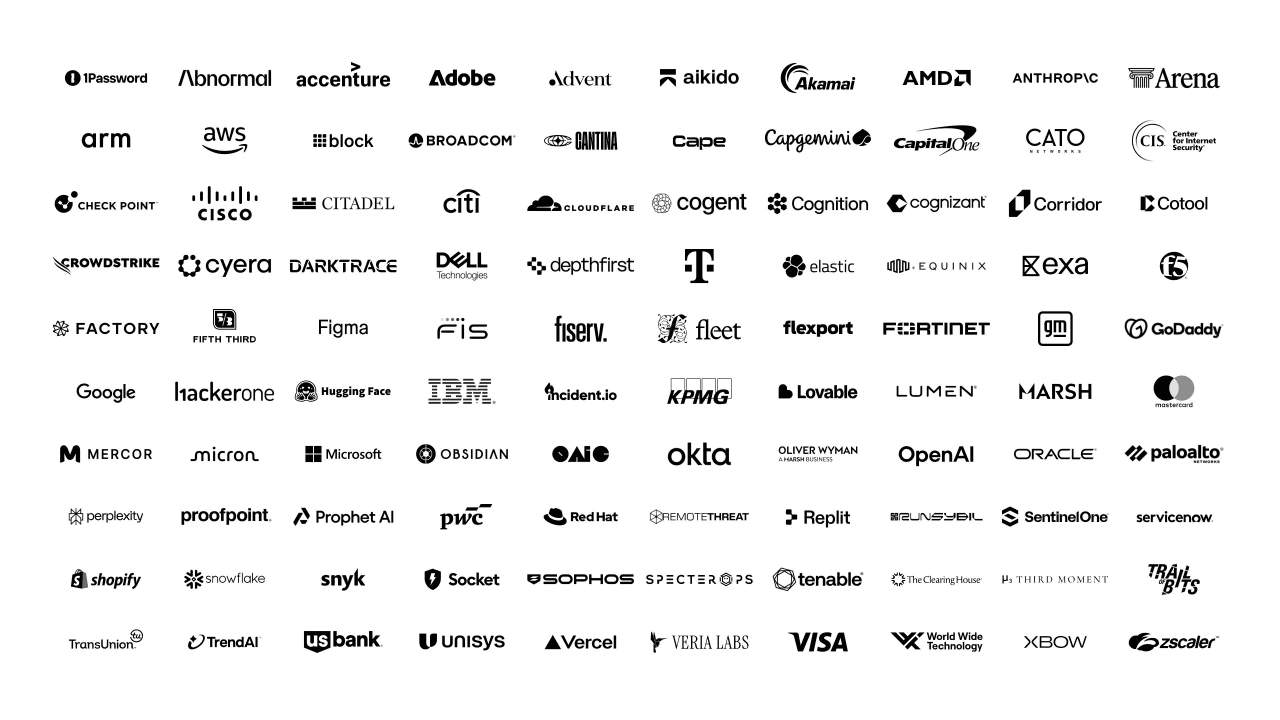
On August 27, 2026, over 130 of the world’s largest technology, finance, and infrastructure companies signed an open letter calling for collective cyber defense. The signatories include Anthropic, AWS, Google, Microsoft, ServiceNow, Cisco, CrowdStrike, Palo Alto Networks, Tenable, Zscaler, and dozens more.
But this is not their own action plan. It is a call to every organization.
The letter is direct about what the entire industry must do. It demands: “Every organization makes cyber defense an immediate leadership priority. Raise your security standards and meet them with the urgency and coordination of an incident that takes precedence over everything except critical business operations. Fix the highest-risk weaknesses, verify results without disrupting essential services, and raise the security bar for what you buy, build, and deploy.”
The letter places verification at the center of the strategy: every organization must establish ground truth before taking any other action.
And there is the problem every signatory organization now faces.
The Causal Chain: One Blind Spot Is All Attackers Need
The OpenAI letter does diagnose the real problem, buried in its analysis section: “Longstanding bugs, excessive permissions, misconfigurations, insecure and unpatched software, weak authentication, and technical debt in legacy systems have left systems exposed.”
Each item is a symptom of one root cause: incomplete inventory.
Attackers exploit one misconfigured cloud workload that does not appear in your asset database. A single unpatched legacy server that your security team never knew existed becomes their entry point. One endpoint with excessive permissions, unmapped and unowned, gives them everything they need.
Defenders are fighting misconfigurations, excessive permissions, and unpatched software. But these are not primarily technical problems. They are inventory problems. You cannot fix what you do not know about.
This is why the letter’s second commitment, the call for “shared threat intelligence and tested playbooks,” only works if the first commitment is met. Threat intelligence tells you a vulnerability exists. But if your asset inventory does not include the systems that vulnerability affects, the intelligence is noise. A playbook tells you how to patch. But if you cannot enumerate which systems need patching, the playbook sits unexecuted.
Shared intelligence multiplies the value of an accurate asset inventory. It does nothing for assets that were never logged.
What “Verify” Actually Means Operationally
The letter uses the word “verify” twice. Once in the main action item: “verify results without disrupting essential services.” And again in the frontier AI section: “invest in authorized testing, private disclosure, and verified fixes.”
Verify means this: before you patch a critical server, you need to know what depends on it. Before you retire a legacy system, you need to know which modern applications call it. Before you isolate a compromised endpoint, you need to know the blast radius. Before you apply a compensating control to a system that cannot be patched, you need to know whether that control actually addresses the risk.
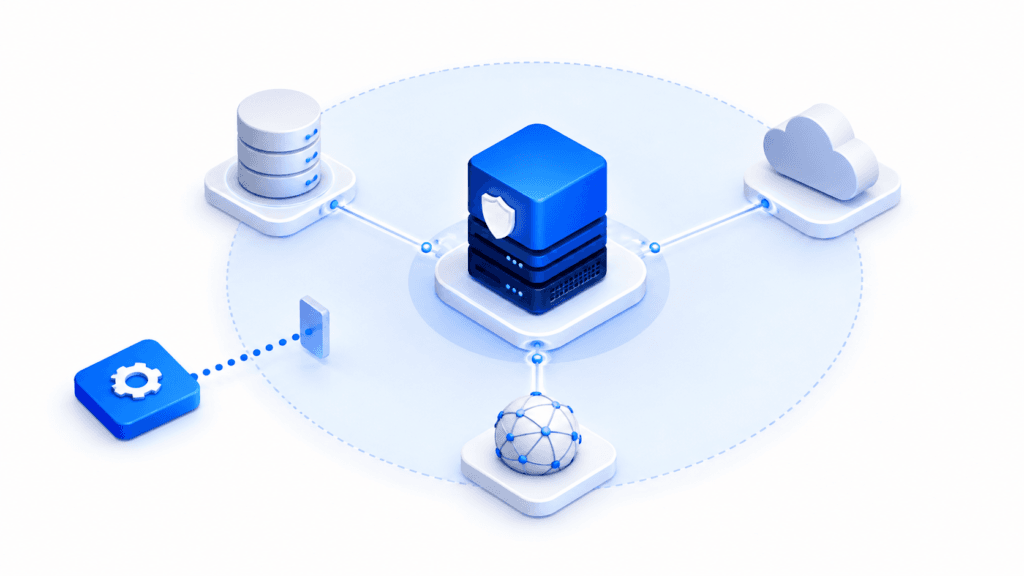
A change manager approving a patch needs a ground truth to verify against. That ground truth is not a spreadsheet last updated six months ago. It is not the ticket history in your ITSM system. It is the actual, current state of your infrastructure: what is running, where, and what it depends on.
Without that ground truth, “verify results without disrupting essential services” becomes a hope, not a plan. Virima calls this Trusted Runtime Truth: live, authoritative operational data that tells you what exists, how it’s connected, what changed, and who owns it. It is the ground truth that change managers and security teams need before any action fires.
The Letter’s Four Promises, All Stacked on Visibility
The OpenAI signatories divide responsibility into four constituencies.
- Every organization must fix the highest-risk weaknesses and verify the fixes.
- Cybersecurity companies and technology partners must lead the response with AI-enabled tools, share threat intelligence, and help critical infrastructure operators deploy solutions.
- Governments must coordinate defense, share actionable intelligence, and fund under-resourced teams.
- Frontier AI companies must provide access, funding, training, and hands-on support.
Together, they promise tools, funding, threat intelligence, and AI-powered capabilities.
But here is what every single one of these promises assumes: you already have a current, accurate picture of your asset estate. You have verified that ground truth, and you know what you are defending.
If you do not, the tools land on top of incomplete data. The threat intelligence cannot be prioritized. The funding gets spread across unknown risks. The AI-powered capabilities scan systems you did not know existed.
All of it amplifies the blindness rather than reduces it.
The Operational Prerequisite
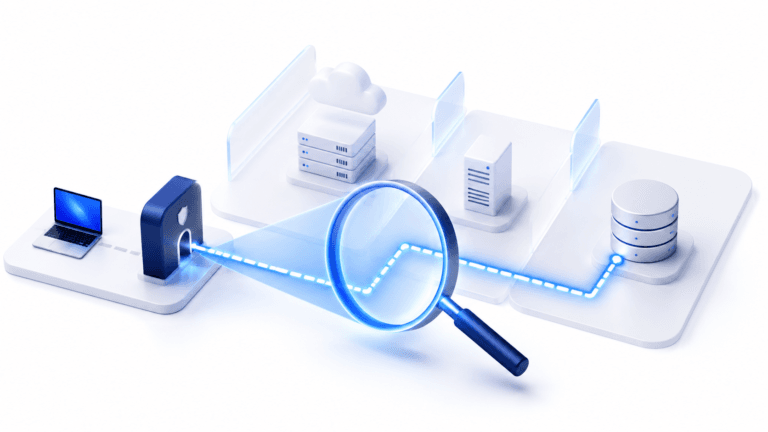
Before you can fix the highest-risk weaknesses, you have to find them. This requires automated IT asset discovery across your full infrastructure: physical, virtual, and cloud. Discovery runs on a schedule, detects changes as they happen, and populates a CMDB with the current state of your environment.
Before you can verify results without disruption, you have to understand the dependency chain. This requires service mapping that shows every CI that depends on the one you are changing. When a change is pending, a current service map makes the blast radius visible to the change manager before approval.
Before you can coordinate with threat intelligence and incident response teams, your ITSM workflows need to work from that same ground truth. This requires integration between discovery and your existing ITSM platform, so that security alerts, change records, vulnerability findings, and incident indicators all overlay on top of the same asset picture.
This layer, including discovery, service mapping, and ITSM integration, is not the defense itself. It is the ground truth that makes defense possible.
Where the Letter Leaves Off
The 130+ signatories have committed to a collective response. They have pledged funding, threat intelligence, tools, and AI-powered capabilities. Every one of those commitments is valuable, and none of them works without a foundation.
That foundation is built by organizations that start with verification. That answers the question before all others: what do I actually have running?
Once that is answered, shared intelligence becomes actionable. Tools become effective, funding gets targeted, and verification becomes possible.
Speed depends on knowing what you are defending. Everything else follows.
The Layer That Makes Verification Possible
The OpenAI letter’s demands include fixing the highest-risk weaknesses, verifying results without disruption, raising your security bar, and all depend on a single prerequisite: a current, accurate ground truth of your infrastructure and its dependencies.
Virima’s discovery engine detects all your assets, physical, virtual, and cloud, on a schedule you control. Service mapping then visualizes the dependency chains that discovery uncovers, so your teams can verify change risk, assess blast radius, and answer the question every organization now faces: what do I actually have running, and what depends on it?
See a full dependency map in under 60 minutes. Start a free trial.
Frequently Asked Questions
What does “verify results without disrupting essential services” actually require?
A current ground truth of your infrastructure and dependencies. Before patching or changing systems, you need to see what depends on them. Service mapping shows the full dependency chain, so change managers can verify safety without guesswork.
Does discovering all my assets slow down production?
No. Discovery uses low-impact scanning on schedules you control. Most organizations complete cycles without affecting performance. The scan overhead pays back immediately through reduced change risk and faster incident response.
What if my ITSM tool already has an asset inventory?
Most ITSM systems rely on manual updates and fall behind quickly. Automated discovery validates and enriches that data, catching cloud workloads, unmanaged endpoints, and changes your ITSM system missed. The two work together, and discovery keeps data current.
How does this align with the OpenAI letter’s call for collective defense?
The letter depends on each organization verifying its estate first. Shared threat intelligence and AI tools multiply the value of accurate inventory. Without that foundation, collective defense amplifies blindness instead of reducing it. Discovery is the prerequisite.
Can this approach work across hybrid cloud environments?
Yes. Automated discovery detects physical servers, VMs, cloud workloads, edge devices, and legacy systems in one continuous process. All assets feed the CMDB and service maps. One unified picture of your hybrid environment becomes your ground truth.