SAP IT asset management: Features, limitations, and alternative

The SAP work order closed cleanly. Fixed-asset records match finance. Then CAB or audit asks which business services and cloud configuration items still depend on the host you are changing. The plant register does not answer that question.
That is the SAP IT asset management decision in practice. SAP Enterprise Asset Management fits organizations that need plant, facilities, and equipment lifecycle with work orders and maintenance cost control inside the SAP stack. Teams evaluate a dedicated IT path when software, cloud, and hybrid CIs, license usage, and service dependencies sit outside that physical-asset model. Virima is a discovery-sourced ITAM and CMDB layer. It does not replace SAP EAM, ERP, or finance.
This guide covers where SAP asset management is strong, where IT-native depth is still required, and how to choose stay, coexist, or Virima paths without a false rip-and-replace frame.
| When change and incident decisions need current IT CIs and service paths, not only a plant asset register, the missing layer is discovery-sourced runtime accuracy. Explore Trusted Runtime Truth. |
When is SAP asset management enough, and when do teams add an ITAM alternative?
SAP Enterprise Asset Management fits plant, facilities, and equipment lifecycle with work orders and maintenance cost control inside the SAP stack. Teams add a dedicated IT path when software, cloud, and hybrid CIs, license usage, and service dependencies sit outside that physical-asset model. Virima is that discovery-sourced IT layer, not an SAP EAM replacement.
SAP IT asset management: a broader EAM scope
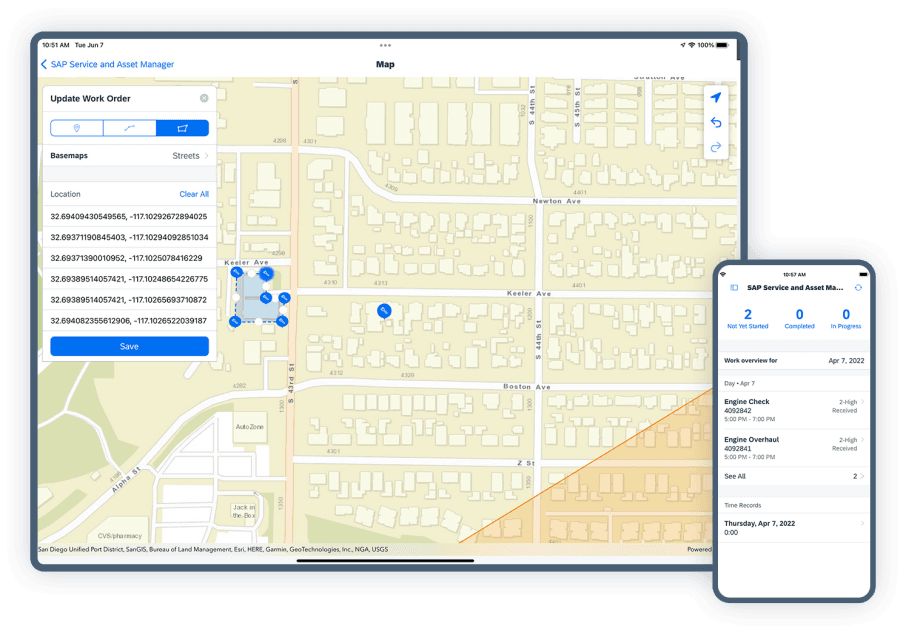
SAP does not center a single product labeled only as ITAM in the same way specialist IT tools do. What many buyers mean by SAP IT asset management is the broader Enterprise Asset Management path: physical assets across facilities, plant machinery, and equipment, often joined to ERP and finance processes.
Capabilities organizations commonly evaluate on the SAP EAM path include:
- Centralized asset register for physical asset master data used across maintenance and operations.
- Preventive maintenance scheduling based on usage history and equipment records.
- Work order management for maintenance, repairs, and calibrations.
- Cost control and budgeting for maintenance spend and asset lifecycle cost visibility.
- Regulatory and safety alignment for industry and plant compliance needs tied to physical fleets.
That broader physical scope is a genuine win when plant uptime, facilities maintenance, and ERP-adjacent fixed-asset processes are the buying job. Confirm current module packaging and naming in SAP materials during diligence, because suite labels change over time.
What does SAP Enterprise Asset Management do well?
It keeps plant, facilities, and equipment lifecycle close to work orders, maintenance cost control, and ERP-adjacent processes. That cohesion is strongest when the primary asset job is physical operations rather than hybrid IT inventory, software usage, or service dependency maps.
Limitations when the job is IT asset management
SAP EAM is a strong plant and facilities path. Evaluation gaps appear when the constraint is modern IT estates rather than machinery registers.
- IT asset granularity: Servers, virtual machines, software installs, and cloud resources often need IT-native discovery and attribute depth beyond plant EAM defaults.
- Software license and usage context: Specialist ITAM or confirmed SAP module scope is usually required for install-level license and usage conversations. Do not assume plant EAM alone closes software audit questions.
- Service and dependency maps: Change and incident teams need relationships among applications, infrastructure, and business services. Physical work-order graphs rarely substitute for IT service maps.
- Hybrid cloud inventory: On-prem plus AWS and Azure estates change faster than maintenance-centric registers typically refresh.
- Implementation weight: Large SAP programs can be complex and customization-heavy. That is a project-risk factor for any enterprise suite, not a score invented from reviews.
Treat lock-in and support quality as diligence topics on your contract and estate, not as fixed public verdicts. The practical pattern for many SAP shops is coexistence: keep EAM and finance in SAP, and add a discovery-sourced IT layer under ITSM for runtime CI truth.
SAP asset path vs Virima: decision table
Virima delivers discovery-sourced ITAM, CMDB population, and service mapping. It does not replace SAP EAM, ERP, or the general ledger.
| Criterion | SAP asset path | Virima | Choose when… |
|---|---|---|---|
| Primary job | Enterprise / plant EAM (physical lifecycle) | Discovery-sourced IT ITAM and CMDB/maps | Plant work orders vs IT runtime truth |
| Asset classes | Facilities, plant machinery, equipment | Hardware, software, cloud IT CIs | What must be authoritative |
| Discovery | EAM-oriented asset processes | Agent-based and agentless methods plus APIs, high-frequency scheduled cycles | Hybrid IT change rate |
| Software / licenses | Not the core EAM job (confirm modules) | Hardware and software ITAM with usage context | SAM and audit pressure |
| Dependencies | Limited IT relationship depth | ViVID™ maps after business service definitions are provided | Change blast radius |
| ERP / finance join | Native SAP strength | Not a GL or fixed-asset system | Keep SAP for finance |
| Best fit | SAP-standardized physical operations | Hybrid IT visibility under ITSM | Path selection below |
Three practical paths: (1) Stay on SAP EAM when plant, facilities, and work orders are the constraint. (2) Coexist by keeping SAP for EAM and finance while adding discovery-sourced IT CIs and maps under ITSM. (3) Take the Virima path when hybrid IT inventory, license context, and ViVID™ maps are the binding gap.
Should you replace SAP EAM or add a discovery-sourced ITAM layer?
Most teams should not frame this as ripping out SAP. Stay on SAP EAM when plant lifecycle is the job. Add a discovery-sourced ITAM and CMDB layer when software, cloud, and service dependencies are the constraint. Virima is evaluated as that IT data layer under ITSM, not as an ERP or EAM substitute.
Virima as a discovery-sourced ITAM alternative
Virima focuses on IT infrastructure management: what exists in the estate, how it is configured, how it connects, and how that truth supports ITAM and ITSM work. Business Pro packages discovery-sourced ITAM, CMDB, and ViVID™ maps for growing IT estates that run beside SAP EAM, not as an ERP or plant EAM replacement.
High-frequency scheduled discovery
An agent-based and agentless IT discovery engine covers hardware, software, and cloud resources through scans and API integrations across environments such as AWS and Azure. Discovery runs on high-frequency scheduled cycles so inventory reflects estate change without pure manual entry. Current public positioning does not claim passive event-driven discovery as shipping product.
Hardware and software ITAM
Virima provides a centralized path to manage and track hardware assets and software licenses with configuration detail available to ITSM and security workflows. Software usage context helps teams spot over-licensing and underuse patterns when product supports metering on the estate. See IT asset management for the product scope.
Service mapping after definitions are provided
Business services are defined by your team through manual entry, import, or architecture tools. ViVID™ then builds dependency maps from those definitions and discovered infrastructure. It does not invent service composition without that input. Maps can carry ITSM incident and change context, plus vulnerability intelligence where product supports it, for example NIST NVD overlays associated with Windows Server findings, on service maps for blast-radius and remediation prioritization.
ITSM integration without replacing SAP
Virima integrates with ServiceNow, Jira, Ivanti, HaloITSM, and other ITSM platforms so discovery-sourced CIs and maps support the system of engagement you already run. Partner names stay plain text. See the integrations hub. Virima is not positioned as an SAP finance or plant EAM replacement.
How does Virima approach IT discovery and service mapping?
Virima populates IT CIs through scheduled discovery using agent-based and agentless methods, with multi-source reconciliation for authoritative attributes. Business services are defined by the customer. ViVID™ then builds dependency maps from those definitions and discovered infrastructure and does not invent service composition without input.
If your SAP evaluation is stuck on whether plant EAM currency can answer hybrid IT change risk, shift the proof from brochure features to a short discovery and mapping pilot on a critical IT service path while SAP keeps EAM and finance.
See how discovery-sourced ITAM and ViVID™ maps sit beside SAP EAM without replacing ERP or plant maintenance. Bring a critical IT service path and leave with a clearer stay, coexist, or dual-path decision.
Making the right choice for your asset management path
SAP Enterprise Asset Management is a solid suite path for plant and facilities operations. Virima is the alternative when you need high-frequency scheduled IT discovery, software and hardware ITAM context, and ViVID™ maps under ITSM tickets. Outcomes teams chase include fewer surprises from stale IT inventory, clearer change blast radius, tighter license conversations, and stronger compliance evidence from owned IT inventory.
Review how Business Pro packages that discovery-sourced IT path for growing estates, then request a demo when you want a hands-on walkthrough.
Disclaimer: Product capabilities and SAP module packaging change. Confirm current SAP EAM and related offerings in official SAP documentation before purchase decisions.
Frequently asked questions
Is SAP enough if we already run Enterprise Asset Management?
Often yes when plant, facilities, and work orders are the primary asset job and IT estates are modest or already covered elsewhere. Revisit when hybrid IT CIs, software usage, and service dependencies become the binding constraint.
Does choosing Virima mean replacing SAP?
No. Virima is positioned as a discovery-sourced ITAM and CMDB layer. Many evaluations keep SAP for EAM and finance and improve IT runtime truth under ITSM. Growing IT estates often evaluate that full stack through Business Pro.
What is the difference between SAP EAM and IT ITAM?
EAM centers physical asset lifecycle and maintenance execution. IT ITAM centers hardware, software, cloud inventory, license context, and configuration relationships used in IT operations and audits.
Can SAP and a discovery ITAM layer coexist?
Yes. Coexistence is the common path: SAP remains system of record for plant and many finance processes while discovery feeds IT CIs and maps into ITSM.
How does Virima handle service mapping?
You define business services. ViVID™ builds dependency maps from those definitions and discovered infrastructure. Maps become useful for incident and change work when definitions and discovery stay current.