Device42 Pricing in 2026: Full Cost Breakdown and What You Need to Know Before Buying

Device42 pricing can be a mystery. While the software boasts a robust suite of features for IT Service Management (ITSM), navigating its pricing structure can be challenging. This blog unveils Device42 pricing details, explores its functionalities, and introduces Virima, a compelling competitor offering potentially better ROI.
Device42 equips you with a comprehensive toolkit for managing your IT infrastructure. Let’s delve into its core functionalities:
- IT asset management: Device42 streamlines IT asset management by offering features for asset discovery, tracking, and lifecycle management.
- Discovery: Device42 utilizes a hybrid discovery approach, employing both agent-based and agentless methods to identify and inventory physical and virtual IT assets across your network.
- Dependency mapping: Device42 provides basic dependency mapping capabilities, helping you visualize relationships between IT components.
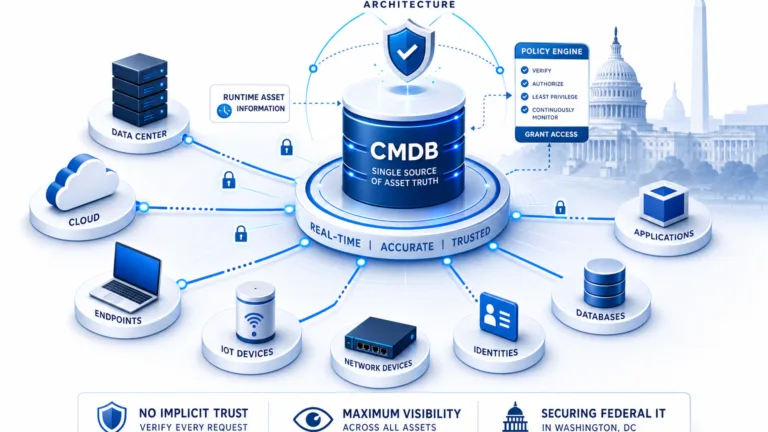
- CMDB (Configuration Management Database): Device42 offers a centralized repository for all your IT asset data, adhering to ITIL best practices for configuration management.Looking for a full capability comparison across Device42 alternatives? See our breakdown of top Device42 competitors and alternatives.
A deeper look at Device42 features
Device42 offers a robust suite of features designed to streamline your IT Service Management (ITSM) processes and enhance your IT infrastructure’s efficiency. Here’s a breakdown of key features:
1. IT inventory and asset management
- Centralized repository: Maintain an accurate record of all hardware and software assets.
- Automated discovery: Simplify asset tracking with an automated IT discovery tool.
- Real-time updates: Ensure your IT inventory remains current for informed decision-making.
2. CMDB (Configuration Management Database)
- Visualize relationships: Understand relationships between hardware, software, and services.
- Effective change management: Facilitate smooth changes with a clear understanding of dependencies.
- Reduce downtime: Improve service delivery and minimize disruptions.
3. Data Center Infrastructure Management (DCIM)
- Optimize data centers: Plan, manage, and optimize physical infrastructure resources.
- Environmental monitoring: Identify potential issues before they escalate.
- Power management: Ensure efficient use of data center resources.
4. Application dependency mapping
- Understand interactions: Visualize dependencies between software applications.
- Manage risk: Effectively plan system upgrades and migrations.
- Optimize performance: Identify performance bottlenecks and optimize resource allocation.
5. Cloud recommendation engine
- Cloud migration planning: Make informed decisions about cloud migration.
- Cost optimization: Identify cost-effective cloud configurations.
- Performance analysis: Analyze workloads and recommend optimal cloud environments.
Device42 pricing: Unveiling the mystery
Based on user data, Device42 employs a tier-based pricing structure likely centered around the number of devices you need to manage. Here’s a breakdown of estimated costs (refer to the linked sources for more details):
- Tier 1: 1-100 devices: Pricing starts around $1,449 per year.
- Tier 2: 101-500 devices: Pricing goes up to $2,999 per year.
- Tier 3: 501-1000 devices: Costs increase to around $4,999 per year.
- Tier 4: 1001-2500 devices: Pricing reaches an estimated $9,999 per year.
- Tier 5: 2500+ devices: For larger deployments, custom quotes are required.
Note: It’s crucial to remember that these are estimates based on third-party review sites. The actual Device42 cost might vary depending on your specific needs and negotiated terms.
How Device42 pricing compares
Device42’s per-device tiered licensing for the Core base license, with separate modules priced on top, is one common approach to discovery and CMDB tooling. Here’s how it compares to Virima’s published pricing model.
| Pricing dimension | Device42 | Virima |
|---|---|---|
| Pricing structure | Annual subscription; per-device tiered licensing for the Core base license, with additional modules priced separately | Annual subscription with two published plans: SMB and Enterprise. Core capabilities bundled — no separate modules |
| Entry-level pricing | ~$1,449/year for 1–100 devices (Core only; per publicly available pricing data, early 2026) | $10,000/year SMB plan covering up to 100 servers / up to 900 devices, with all features bundled |
| Enterprise pricing | Custom quote required for environments above 2,500 devices | Custom quote (Request Quote) with Concierge Service, Customer Success Manager, Multi-Tenant Portal, and Premium support included |
| What’s included in the base license | Core discovery, CMDB, IPAM, basic dependency mapping | Discovery, Visual CMDB, ViVID™ Service Mapping, ITAM (hardware, software, license, contract, IT finance, inventory, vendor management), software usage metering, SSO, full API access, and ITSM integration |
| Modular add-ons | Software License Management, Power & Environmental Monitoring, Application Discovery & Dependency Mapping, and Resource Utilization are licensed separately on top of Core | No core-feature modules sold separately. Optional Enterprise add-ons: Private Hosting / On-Prem and Dedicated Hosted Environment |
| Licensing basis | Devices (IP-enabled objects) and IP address counts; ADM licensed by application host count | Per-device pricing across servers and other devices |
| Site/location charges | May apply for distributed deployments | No hidden fees, no cost spikes for newly discovered assets mid-contract |
| Deployment options | On-premises and SaaS (SaaS pricing negotiated per customer) | SaaS (standard); Private Hosting / On-Prem and Dedicated Hosted Environment available as Enterprise add-ons |
Why the pricing model matters more than the headline number
The Device42 entry tier looks lower at first glance, but Core is just the starting line. Capabilities like Application Discovery & Dependency Mapping, Software License Management, and Power & Environmental Monitoring are licensed as separate modules — so the realistic cost for a buyer who actually needs dependency mapping or software license management is meaningfully higher than the Core price suggests. Per-device tier brackets also mean cost steps up as your environment grows.
Virima’s published pricing takes a different approach: one bundled plan with all core capabilities — discovery, CMDB, ViVID service mapping, full ITAM, software metering, ITSM integration — included from day one. The trade-off is a higher entry point ($10,000/year for the SMB plan vs Device42’s ~$1,449 Core tier), but no surprise module costs, no per-feature uplift, and no charges for newly discovered assets mid-contract.
For organizations evaluating total cost of ownership, the question isn’t “which entry tier is cheaper?” — it’s “once we add the modules we actually need, which model lands lower?”
For a full capability comparison across Device42 alternatives — discovery, CMDB, service mapping, ITSM integrations, and more — see top Device42 competitors and alternatives.
While Device42 offers a comprehensive suite of features, it’s important to be aware of its limitations. Here are some key areas where users have reported challenges:
Steep learning curve
- New users might find the interface and navigation complex, requiring additional training or experience to master.
- This learning curve can delay initial productivity and hinder adoption for organizations with less experienced IT teams.
Limited reporting capabilities
- Device42 lacks the ability to export detailed reports on subcomponent changes (e.g., CPU, memory modifications).
- This limitation can hinder tracking hardware changes over time, which is crucial for audit and compliance purposes.
Additional costs for essential plugins
- Some core features, such as advanced reporting or specific integrations, might require additional purchases.
- This can lead to unexpected costs, especially for organizations with limited budgets or specific requirements.
System performance issues
- Users have reported that Device42 can sometimes experience performance slowdowns, particularly when handling large datasets or complex operations.
- This can impact workflow efficiency and frustrate users who rely on the platform for timely information.
While Device42 offers a valuable ITSM solution, it’s crucial to be aware of its limitations. If you’re considering Device42, carefully evaluate your organization’s specific needs, budget, and team expertise to ensure it aligns with your requirements.